
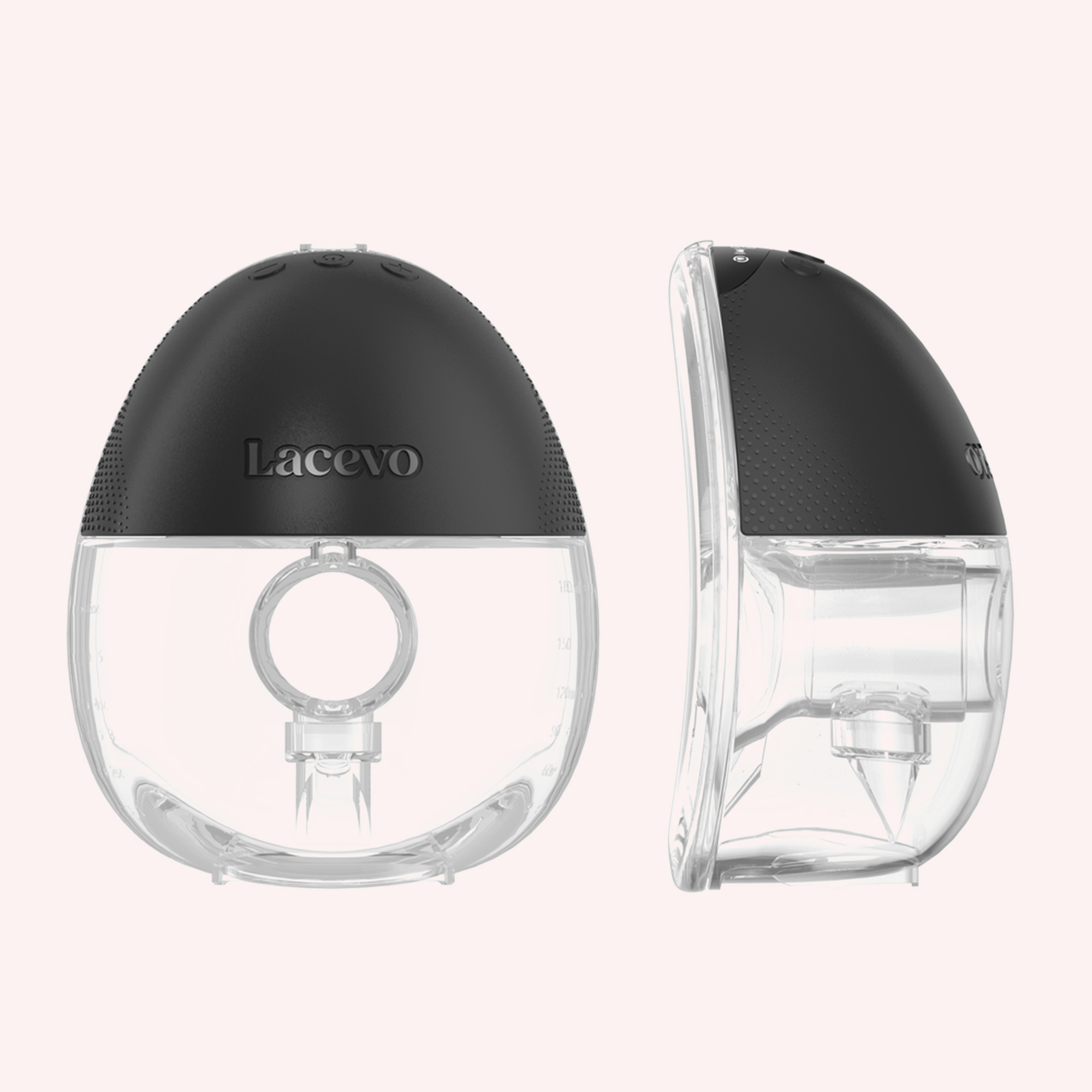
No surprise here—if you’re expressing exclusively, the number-one thing on your to-buy list should be a really solid breast pump. And the Lacevo S70 In-Bra Breast Pump Set delivers: This is a hospital-grade pump that’s impressively compact and quiet, plus it’s rechargeable and portable—so it will be equally handy when you’re expressing milk at home or in the office, car, shopping center... truly, a wearable pump offers a lot of freedom. It comes with everything you need, and most importantly, an extensive sizing range of flanges to get your perfect fit. Crucially, this is a high-powered double pump. While mums who express occasionally might be able to get by with a single, you should “definitely buy a double pump if you are an exclusive pumper,” recommends Maschio.
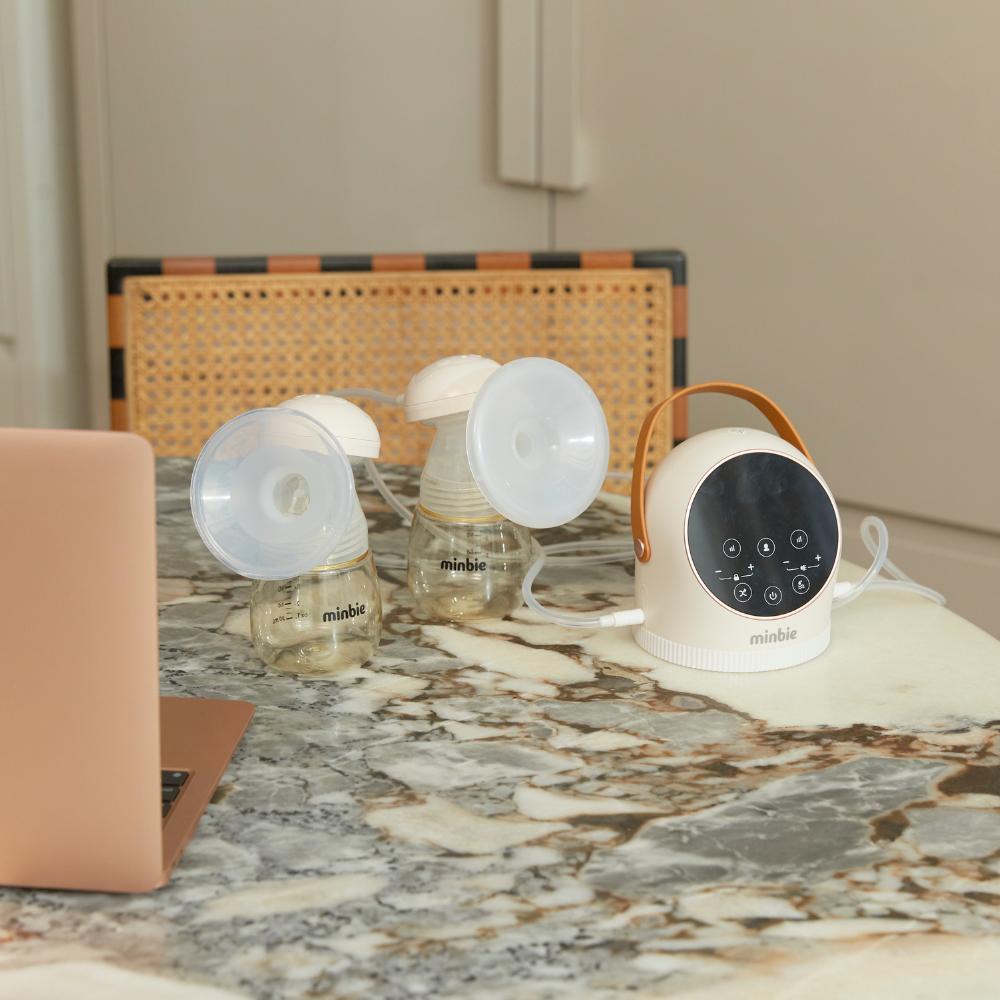

Mums who express exclusively can sometimes feel a little left out of the baby feeding conversation. Though not discussed as often as breast- or bottle-feeding, exclusive expressing (also sometimes called exclusive pumping) is the path of many mums who want to breastfeed but possibly struggle with the process (latch, nipple pain, et. al.). Mothers who opt for this feeding method use a breast pump to express their milk at every single feeding, as opposed to only nursing or expressing just some of the time, then feed their baby the milk with a bottle.
It’s important to remember that exclusive pumping “is absolutely still breastfeeding,” says Peta Arthurson, IBCLC, a certified lactation consultant based in the Northern Beaches, NSW. However you choose to feed your baby is a personal choice, and there’s no right or wrong way to give your little one nourishment. By expressing exclusively, “you are doing what is right for you and that’s all that matters.”
Exclusive expressing has its benefits, but it’s not without challenges—it's all the time and effort of breastfeeding and the cleaning and organising of bottle feeding. However the right gear can make all the difference. Read on for more about this feeding method, plus products to help to make life easier if you’ve chosen to pump exclusively.
First, your exclusive expressing questions, answered:
Why do some mums express exclusively?
Someone might decide to pump exclusively for any number of reasons, but it might be right for you if:
-
You’ve had lots of difficulty getting baby to latch. A certified lactation consultant can often help resolve a tricky latch, but some mums continue to have trouble even after working with an LC. If that’s the case for you, exclusive expressing allows you to continue giving your little one breast milk with the help of a pump.
-
You’ll often be apart from your baby. Mothers who are frequently separated from their babies, such as those who travel for work, may find exclusive expressing a little easier to schedule and manage.
-
Your child has a health condition that makes nursing difficult. Some little ones have a medical condition such as a tongue tie or cleft that prevents them from being able to breastfeed.
-
You want to! Perhaps the thought of expressing exclusively just feels preferable, or maybe you dread the thought of having to nurse in public. Other mums may find breastfeeding emotionally challenging. Whatever it is, remind yourself that any reason for wanting to express exclusively instead is valid—and it’s your choice alone to make.
What are some challenges mums who express exclusively might face?
It’s a big time commitment. Some mums prefer to express exclusively because they can pump when it’s most convenient for them throughout the day. But this feeding method is definitely not easier: When you express exclusively, you need to dedicate the time to pump then bottle-feed your baby, not to mention cleaning all of those pump parts, bottles, and teats. This is an enormous amount of work—and you’re doing it in addition to the already-enormous job of taking care of your little one, so having help and support can be really crucial.
Your flow may be a little slower at first. Mums who nurse their littles benefit from a spike in oxytocin—sometimes called the “love hormone”—that’s activated by seeing, touching, or even smelling their baby. This hormone helps trigger your body’s letdown reflex, allowing milk to flow. When you’re pumping, though, it might be a little tricky to tap into this oxytocin surge (understandable, since a plastic machine isn’t nearly as cute as your bub!), and a slow or low flow is a common challenge exclusive expressing mums may experience as a result.
You need lots of freezer space. “As your milk stash grows, so does the need for storage,” says Tanya Maschio, IBCLC, a certified lactation consultant based in Geelong, VIC. Before long, you may find it impossible to fit all of those frozen breast milk bags in your freezer. Maschio says a separate chest freezer can be a worthy investment for mums who express exclusively: Not only does this make storage easy, but your milk will last longer, too.
What are some ways you can make exclusive expressing easier?
-
Create a home pump station. A cosy, comfortable place to express makes sessions less daunting. “Think about what you reach for when you pump and have it there ready to go,” says Maschio. That might include practical things like spare pump parts, storage containers, and nipple cream, as well as items that make the process more enjoyable for you—think a favourite book, water bottle, yummy snacks, and a phone charger.
-
Have baby photos on hand. If the real thing isn't available, thinking about your baby is one of the surest ways to trigger that oxytocin surge and subsequent letdown. “Smell something of theirs, cuddle them if you can, even pop them skin-to-skin with you,” says Arthurson. “If you’re at work, you can record a gorgeous video of them smiling and cooing and watch that while you pump.”
-
Having the right flange size. Many breast pumps come with a 24 mm flange—that’s the large, funnel-shaped piece that goes over your breast—“but in my experience, the majority of women are not that size and need a new flange,” Arthurson says. To check if yours fits, place the flange on your breast and turn on your pump: Your nipple should be drawn into the flange, but your areola shouldn’t. “It should glide in and out easily, not feel like you are experiencing any bruising,” Arthurson says. Some moms find it easiest to trial a few sizes until you find the perfect fit, she adds.
-
Try not to worry too much about output. It’s normal for your supply to vary throughout the day, Maschio says, so don’t stress if you produce much less before bed than you did in the morning. And speaking of stress: Anxious thoughts can actually make milk flow more stubborn, Arthurson says; she recommends placing a pair of socks over your pump so you aren’t distracted by the output. “It’s a bit like the theory of ‘A watched pot never boils’,” she explains. “Staring at the pump and hoping for a letdown can sometimes turn everything off.” Don’t hesitate to reach out to an IBCLC. “Pumpers need support and guidance, too,” says Maschio. Whether you’re experiencing painful symptoms like clogged ducts, cracked nipples, engorgement, or mastitis, or simply want to figure out the best way to maximise your output, a certified lactation consultant can help. Find a consultant near you at the Lactation Consultants of Australia and New Zealand’s online directory.
2. DUE Booby Soothers
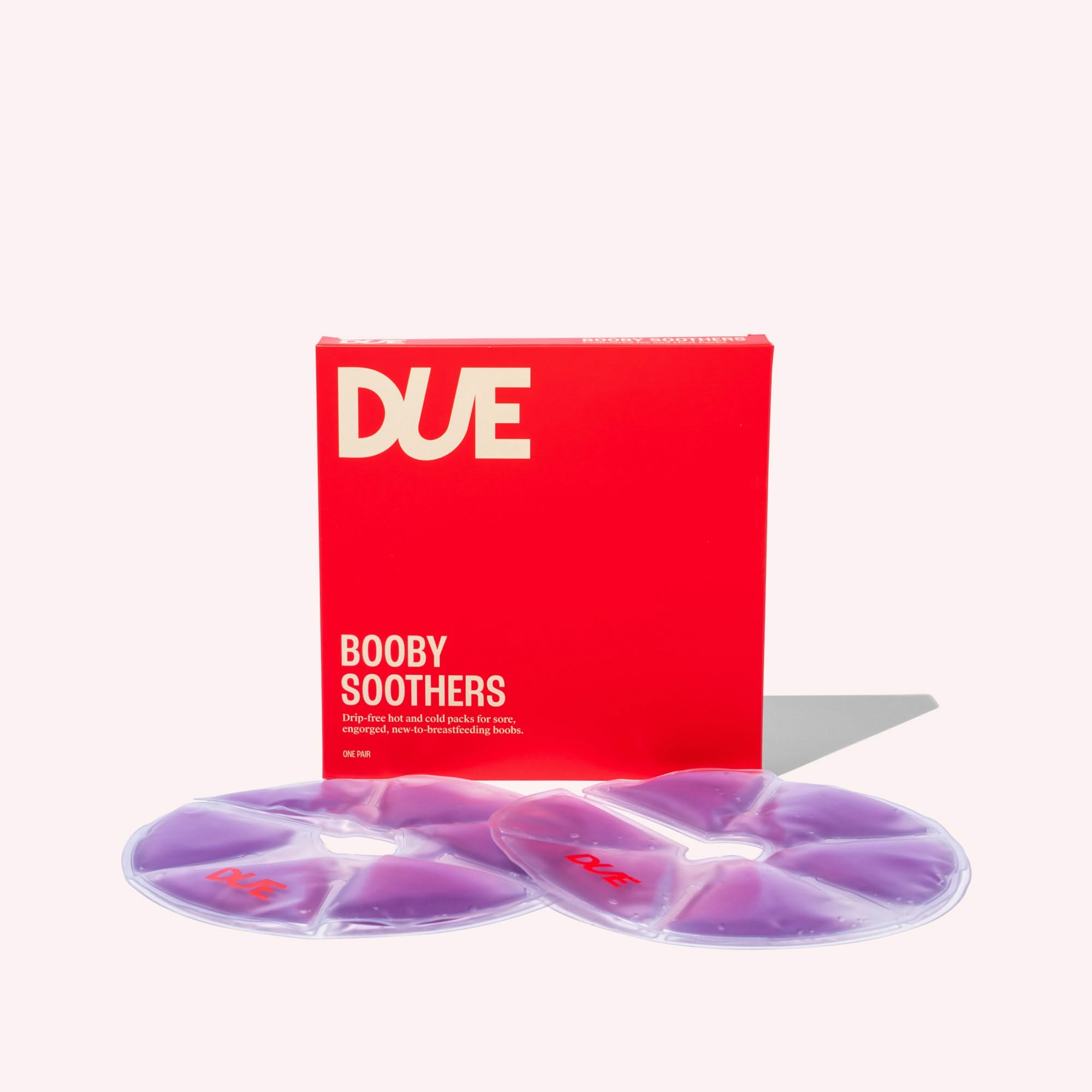
Mums who exclusively express are just as susceptible to common breastfeeding ailments like engorgement, pain, and blocked ducts, and gel packs can help, Maschio says. “They can be used warm to help flow or cool for an inflamed breast.”
She recommends having four in the house: two kept at room temperature (you can quickly warm them up in the microwave), and two in the freezer for times when you need them cold and ready to go. These gel packs are perfectly shaped and mould to your breasts for cooling or warming relief.
3. Lactation Aids
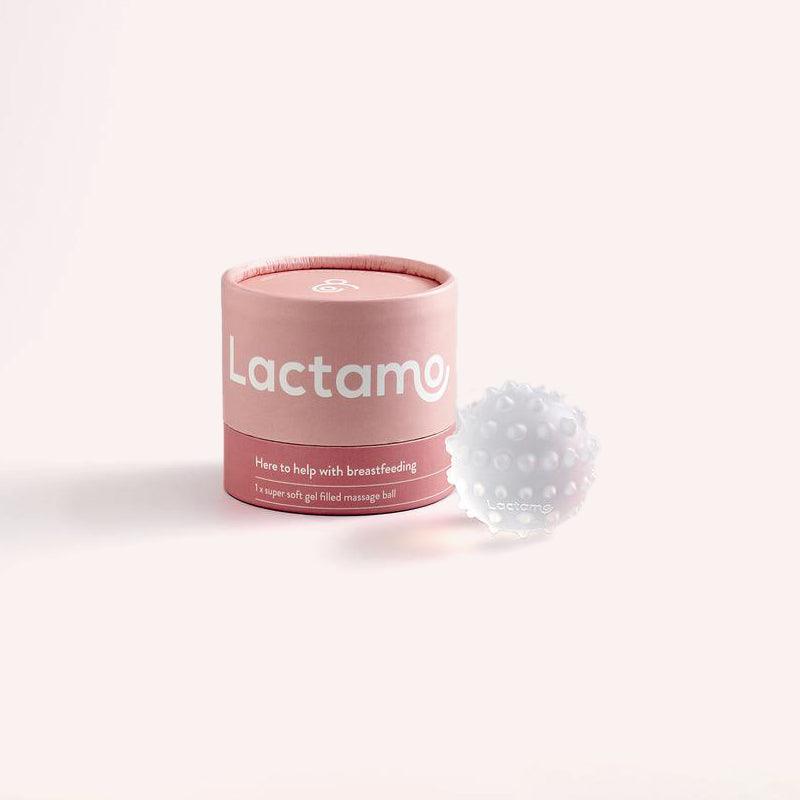
Warmth and stimulation can help trigger that letdown reflex, according to Maschio, adding that she’s a big fan of the Lactamo ball if you need a little support: “It’s a gentle, effective tool ideal for helping milk flow with gentle stimulation,” she says. Roll the gel-filled massage ball over your breast to help the letdown reflex kick in. (Bonus: You can also use it to loosen clogged ducts.)
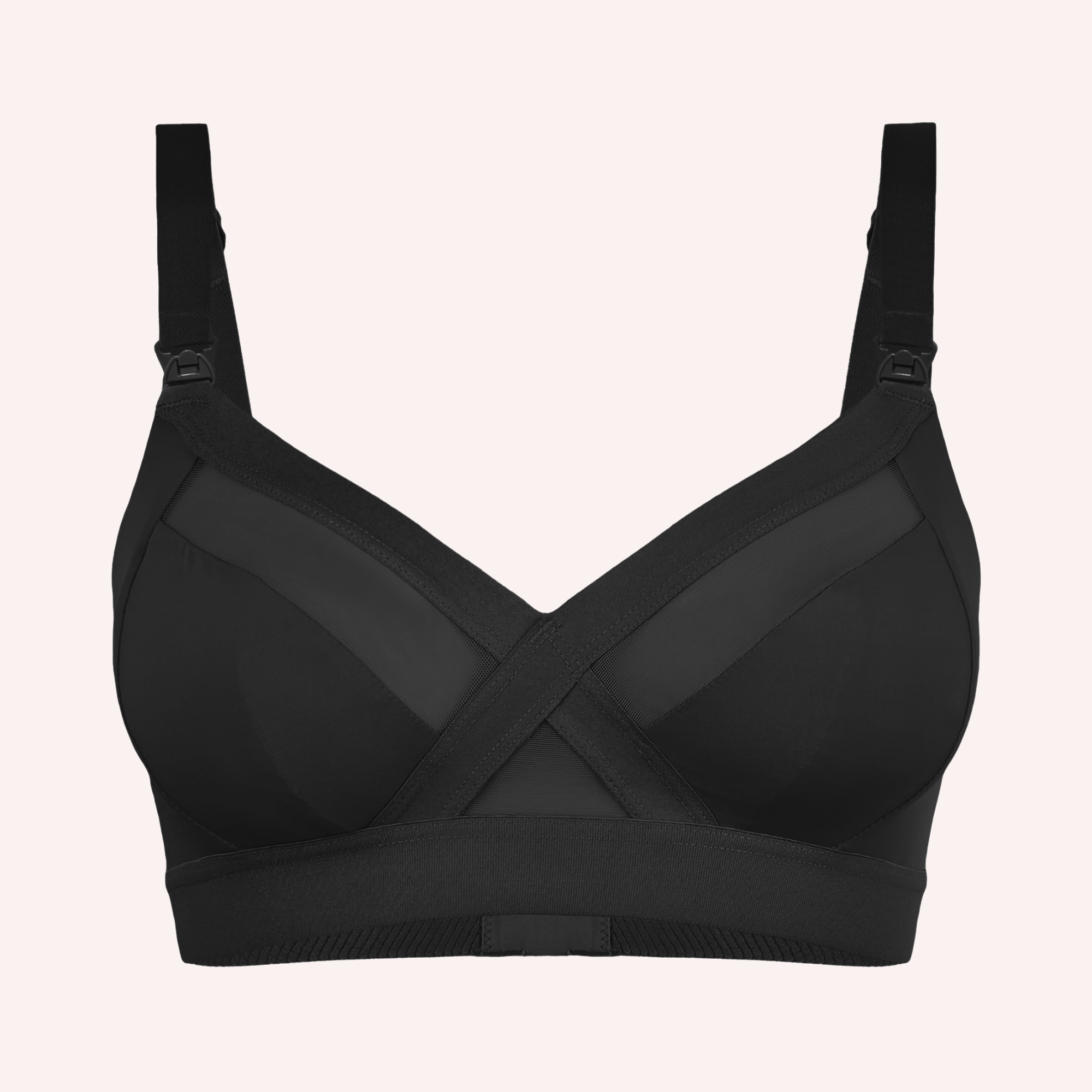
4. A pump-supporting bra
If you have a wearable pump, finding a bra that the pump fits in well and supports your pumping is important. Nala Maternity Bralette is ideal for sliding in your pump, feeling comfortable, supported and secure.
As with any maternity bra, keep comfort top of mind: “Make sure bras fit snug but in no way cause too much pressure or cut into your breasts, as that pressure could lead to pain, blockages, or even mastitis,” says Arthurson.
5. Good milk storage bags
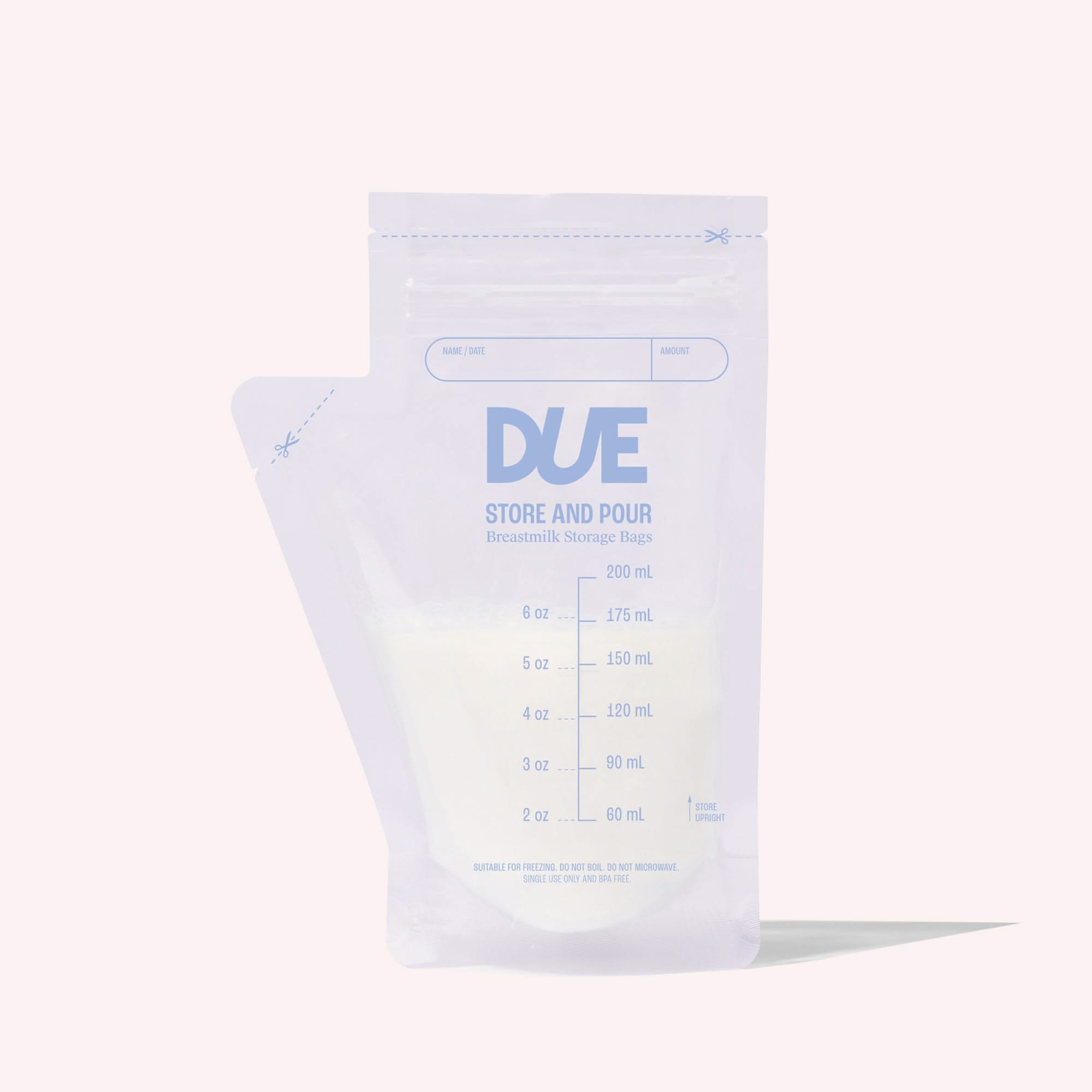
Sometimes you’ll express your milk and offer it to baby right away, but there will be other times when you choose to save it for future feedings. Enter breast milk storage bags: Easy-to-use and hygienic, they enable you to safely store breast milk in the fridge or freezer—and DUE Store & Pour. Mums appreciate how durable and leak-proof these bags are, as well as how easy they are to store.
Each bag in this pack of 50 holds up to 200 ml of milk. “Freeze milk in varying volumes, as there may be times you need more or less,” Maschio says.
6. Replacement pump parts
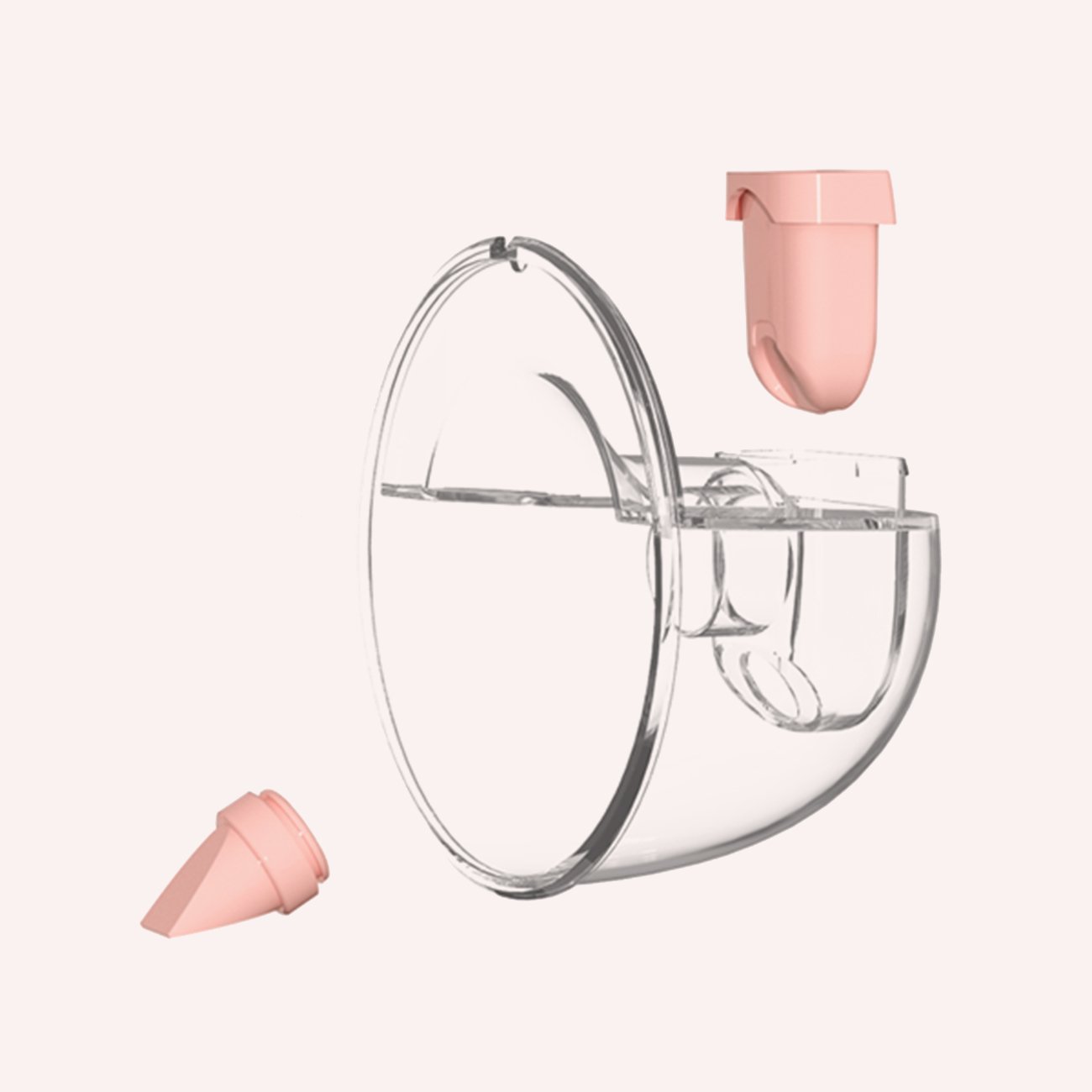
Suddenly notice you’re not producing as much milk as you were just a few days or weeks ago? It may be time to update your pump parts: “[They] need to be changed more frequently for an exclusive pumper than the occasional pumper, so keep an eye on your duckbills, valves, and any moisture in the tubing means the tubes need replacing,” says Arthurson. And always purchase brand-new pump parts if you’ve inherited a hand-me-down pump from a friend.
7. A steriliser
Did we mention exclusive expressing requires a lot of cleaning? The Australian Breastfeeding Association recommends cleaning pump equipment thoroughly at least once every 24 hours if you’re expressing frequently, and you’ll also need to clean bottles and teats after every use. This bottle washer and/or steriliser helps make the arduous process of sanitising all those parts so much easier.
-v1753852002358.jpg?1300x1300)
8. Bottle cleaning tools
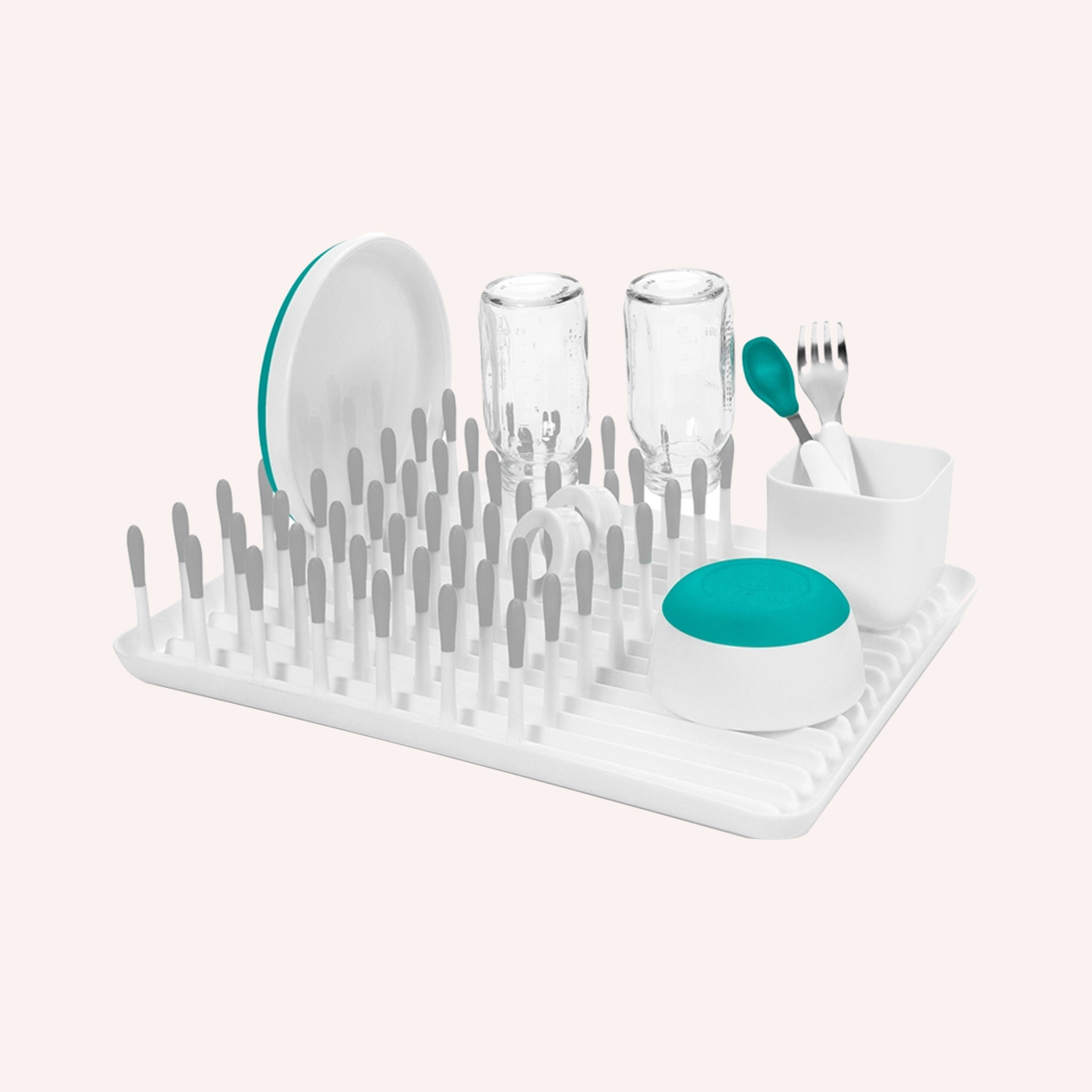
Just as important as sterilising all of those pump parts is keeping them dry: To prevent moisture build-up, pump and bottle parts should be drained upside-down and covered while they air-dry, then dried carefully with a clean cloth if any water droplets remain as you put them away. Though you don’t necessarily need a special drying rack for this, mums who express exclusively have so many parts to clean that a larger-than-average rack can really come in handy.
9. Bottles you love
When you pump, you've got to feed, and finding the right bottle can take some trial and error. Depending on your journey, and if you're wanting to return to breastfeeding from the boob, there are bottles to support that, just as there are bottles to ease issues for babies with colic. Getting bottles you and your baby like using is a big part of maintaining your pump and feed program, so take your time to do it right.
-v1753852410105.jpg?1800x1800)