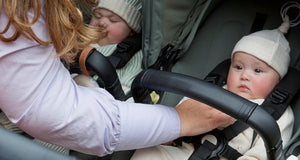
For Adventures Big and Small
By age two or three, your toddler is likely walking, running, and maybe even insisting on doing everything themselves. But there are still plenty of moments when a toddler carrier comes in handy, from airport queues to afternoon strolls when your child needs a break from walking.
A well-designed toddler carrier supports both of you, with reinforced support for bigger bodies and clever design features that help reduce strain on your back and shoulders. That way, you can give tired legs a break and keep the fun going a little longer.
Choosing a Carrier for Your Growing Toddler
Toddlers love to explore, but their energy levels don’t always last as long as the outing. A good carrier can come in handy for family trips and busy days out. Look for supportive lumbar padding to take pressure off your lower back, alongside a comfortable, secure seat for your child.
- Think about your usual outings
For travel and airport queues, a supportive design can help you carry your toddler comfortably for longer stretches. For everyday outings, you might prefer something that’s quick to put on and easy to adjust as you go.
- Check the age and weight limits
Toddlers grow at different rates, so check the carrier’s recommended age range and maximum weight. A carrier with a higher weight limit may give you more time to use it as your toddler gets bigger, provided they still fit securely and comfortably.
- Find a carrying position that suits you both
An ergonomic toddler carrier should support your child in a comfortable position while distributing their weight across your body. Look at the available carry positions and consider what feels comfortable for you, too.
- Look for easy adjustments and lasting comfort
Getting a wriggly toddler settled is easier when the straps and buckles are straightforward to adjust. Look for a supportive waistband, padded straps and breathable fabrics to help you stay comfortable on longer outings, with a secure fit you can fine-tune as your toddler grows.
Making the Most of Your Toddler Carrier
Toddler carriers in Australia can be handy for family holidays and days when your toddler’s enthusiasm for walking runs out before yours does. Here are a few ways a toddler carrier can come in handy:
- Give tired legs a break - When your toddler starts flagging halfway through a walk or a day at the zoo, a carrier gives them a chance to rest while you keep going.
- Pack it for family travel - Keep a carrier handy for airport queues, sightseeing and public transport, where navigating crowds with a pram can be tricky.
- Make local outings more manageable - For a trip to the farmers market or a wander around the local park, a carrier gives you another option when your toddler gets tired.
- Take turns carrying - Adjustable straps can help different caregivers get a comfortable fit, making it easier to share carrying duties.
Why Shop Toddler Carriers at The Memo?
Find a toddler carrier designed for growing kids, with supportive features to help you both stay comfortable on family outings.
- Comfortable carrying - Look for supportive designs with padded straps and lumbar support.
- Options for growing toddlers - Find carriers with adjustable features to suit your child as they grow.
-
Accessories for your setup - Explore our baby carrier accessories for handy add-ons, or explore our baby carriers for a younger sibling.
Enjoy free standard delivery on eligible orders over $199* when you shop at The Memo, plus flexible payment options with Afterpay and 30-day returns* and exchanges. Loyalty members earn points with every purchase.
FAQs
What age or weight range is suitable for a toddler carrier?
Most toddler carriers are designed for children who have outgrown their baby carrier but still enjoy a carry when they get tired. The suitable age and weight range varies by design, so check the manufacturer’s limits.
What is the difference between a baby carrier and a toddler carrier?
Toddler carriers are generally designed to support a bigger, heavier child, with a wider seat and more support for their growing body. Baby carriers often have features suited to newborns and younger babies, while toddler styles cater to children who can walk and explore but still need a lift now and then.
Is a toddler carrier comfortable for long walks or travel?
Yes. Ergonomic toddler carriers feature padded shoulder straps, a supportive waistband and adjustable features. These can help distribute your toddler’s weight more comfortably across your body while you’re wearing them.
Can I back-carry my child in a toddler carrier?
Yes, many toddler carriers offer back carrying, which can be more comfortable as your child gets bigger. Check the carrier’s age, weight and positioning guidelines before using this position.
Are toddler carriers good for parents with back support needs?
A carrier with lumbar support and a supportive waistband can help distribute your toddler’s weight more evenly. If you have an existing back condition or ongoing pain, check with your GP or physio before choosing a carrier.
How do I ensure proper ergonomic positioning in a toddler carrier?
The M-position is a good guide, with your toddler’s knees sitting higher than their bottom and their thighs supported. Keep their back supported, their face visible, and their breathing unrestricted. Follow the carrier’s instructions to get a secure fit.
Can a toddler carrier replace a pram for daily outings?
It depends on your plans and your toddler. A carrier is handy for stairs, public transport and crowded places, while a pram gives them somewhere to rest during longer outings. Some families find having both useful.
How do I clean and maintain a toddler carrier?
Check the care label before washing, as instructions vary by design. Wipe away spills as they happen, and regularly check the straps, buckles and seams for wear.
When should I transition from a baby carrier to a toddler carrier?
Consider switching when your child approaches the weight or size limit of their current carrier, or no longer fits comfortably. Check the manufacturer’s guidelines to make sure your toddler is ready for the next stage.