
If you’re not a parent, the appeal of kids’ audio players might be lost on you. Just play them a book on Audible or Spotify on your phone. But for parents, handing over a smart device for a song or story can feel like giving them an ice cream store when they only wanted a scoop. The smart device has so much more than they need, and therefore, for many parents, requires a lot more supervision, which somewhat defeats the purpose.
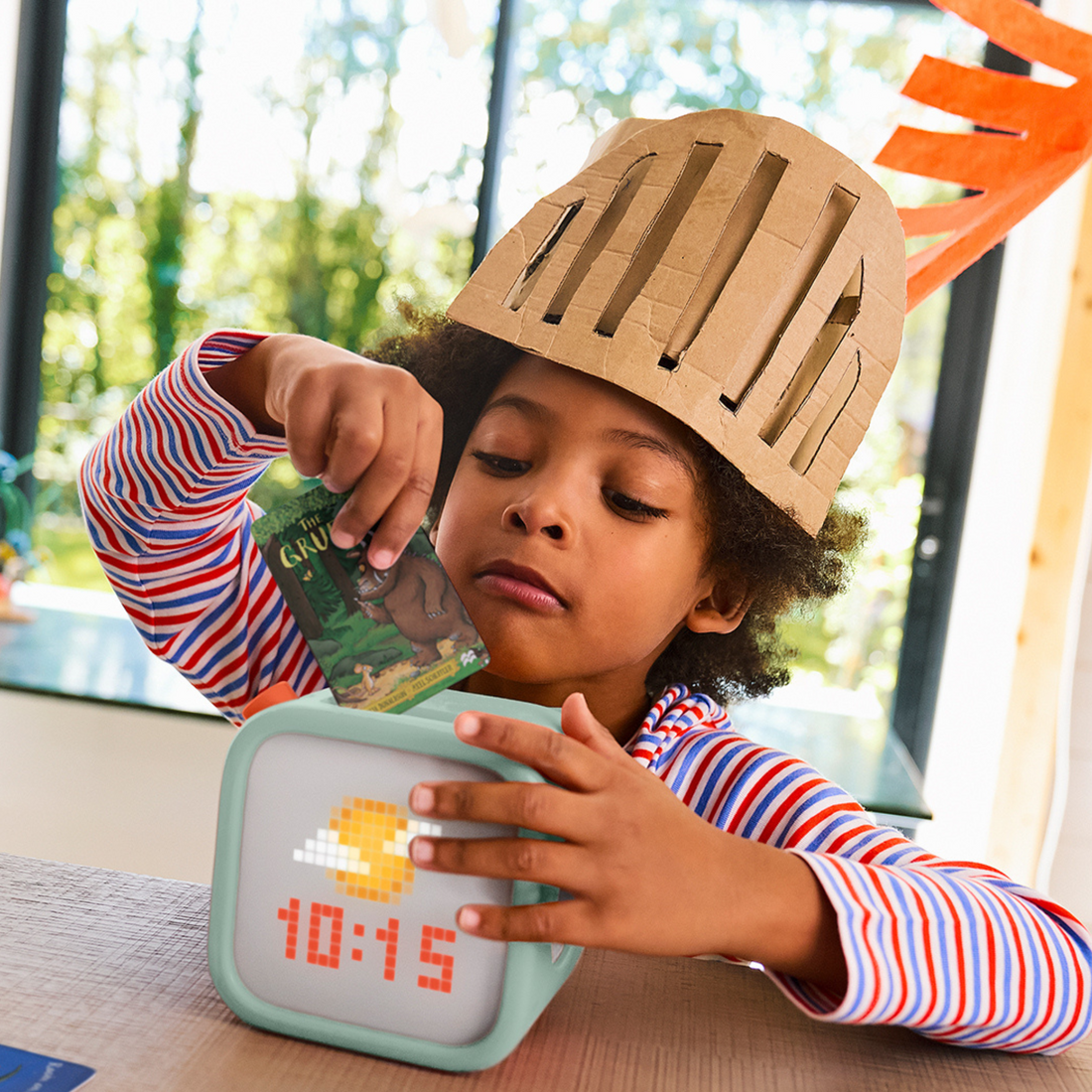
Toddlers in particular are often looking for ways to exert control (which they understandably have very little of) and be in charge. Without the internet and with child-friendly controls, kids can completely take the reins of what gets played, how loud, what’s next — start, stop, start again. Go nuts. Essentially, these players allow kids to play independently and creatively, boosting their confidence while offering bucket loads of entertainment.
Then there’s also the issue of being able to keep little kids busy, with independent play being a fairly consistent quest for parents needing to get dinner ready — just one of the many things parents have to juggle every day. As pediatric psychologist Amanda Abel puts it, “Screens are an ever-increasing part of children’s lives, but it needs to be about balance and boundaries.” Raising Children recommends no more than 1 hour a day of screen time for children aged 2 to 5.
Screen-free audio players for kids solve a very specific modern parental problem: they let toddlers be independently in charge of playing music and audiobooks without ever needing to interact with a smartphone, iPad, TV, or even Wi-Fi. They’re like the modern version of an old-school Discman, sized for chubby little hands.
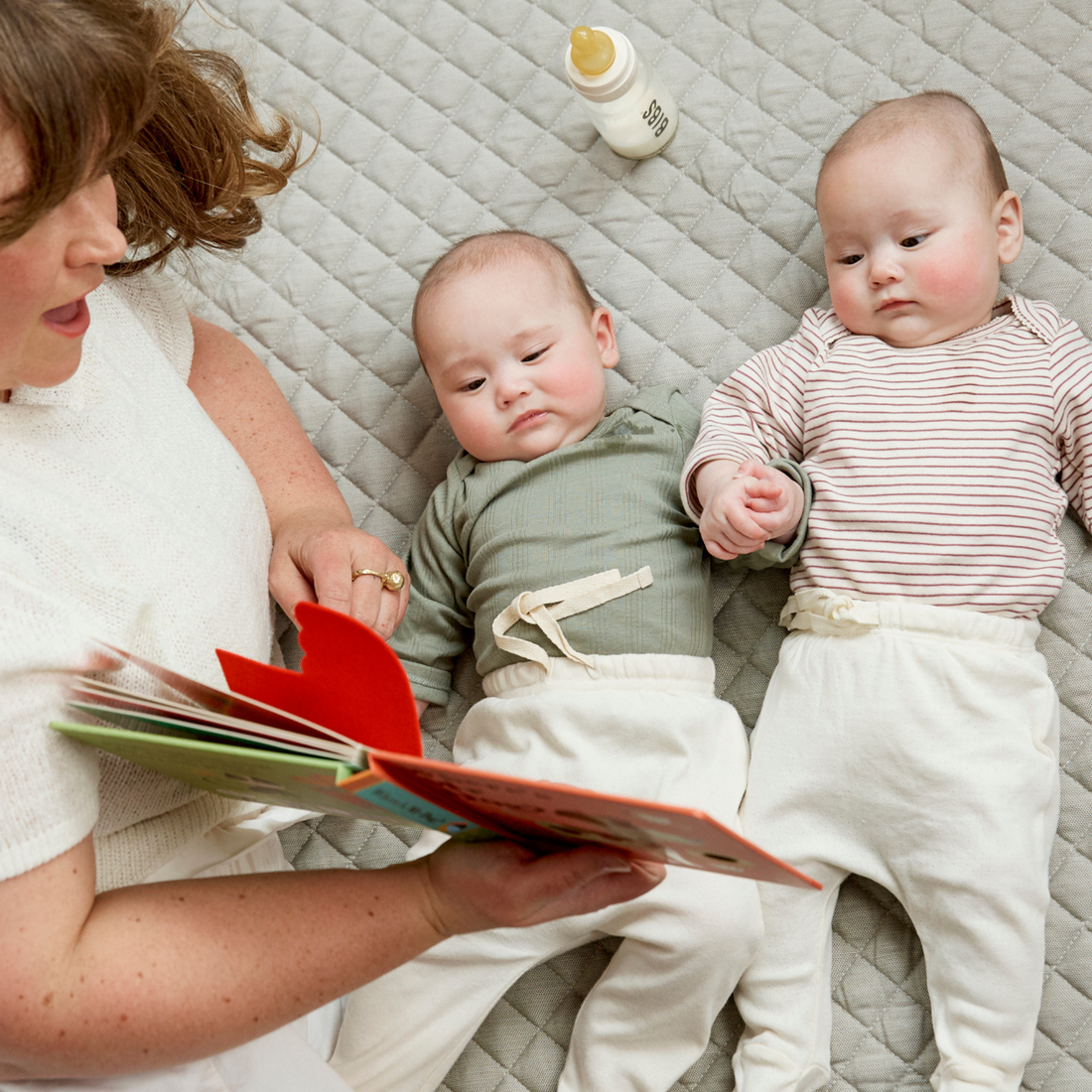
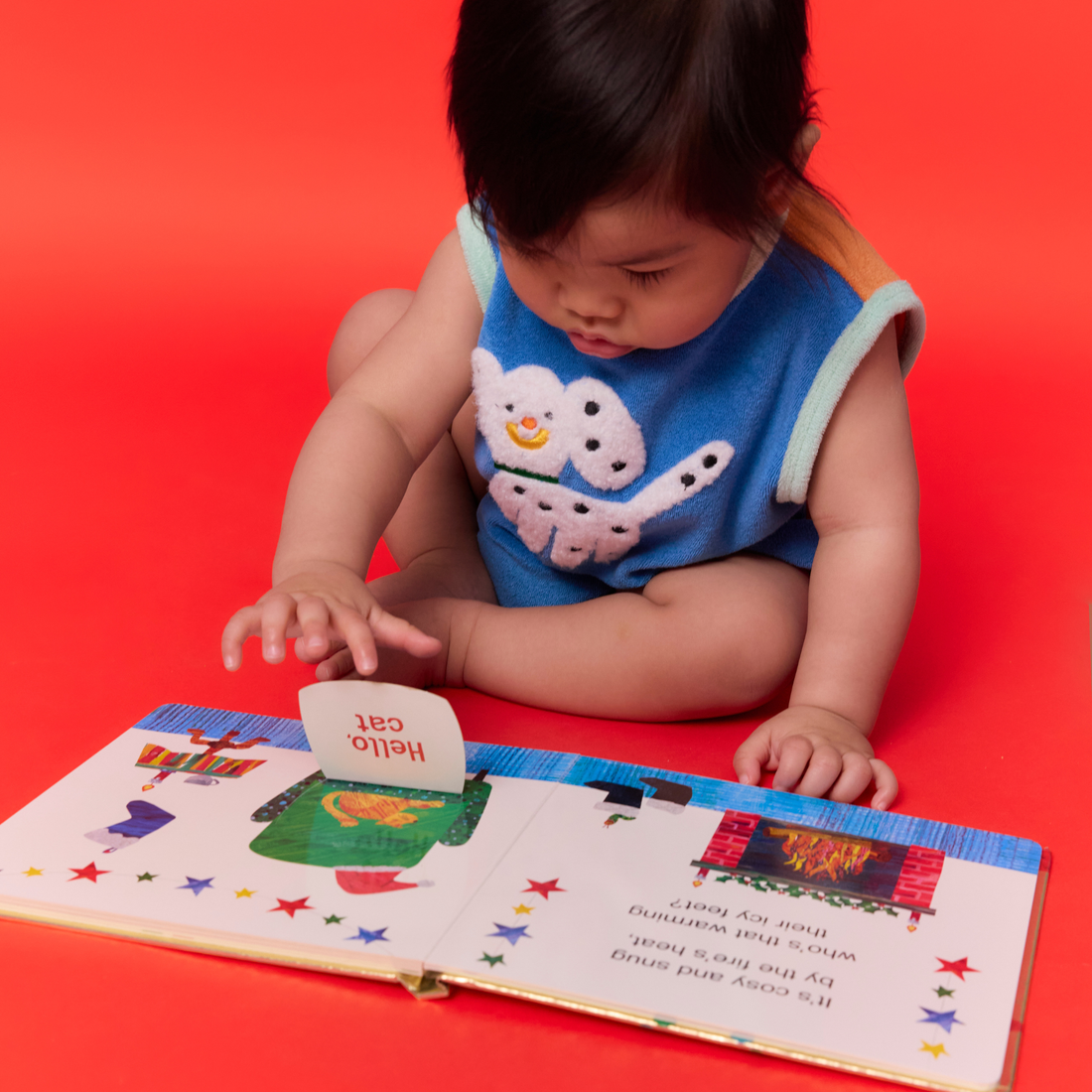
Being read to in toddler years is one of the definitive things that can impact how a child performs in their school-age years. “Reading aloud is one of the most powerful things parents can do,” says Abel. “It builds language, vocabulary, and comprehension skills, while also nurturing imagination, empathy, and attention span. Long-term, children who are read to regularly tend to show stronger literacy skills and a greater love of learning.” Reading together also fosters secure attachment: “That shared cuddle on the couch while enjoying a story strengthens a child’s sense of safety and connection.”
While audiobooks and players don’t replace the relational benefits of sitting with a parent and sharing a picture book, many of the other benefits apply. “Audiobooks can support children’s listening skills, vocabulary, and imagination,” says Abel. “They allow children to practise holding stories in their mind without the visual scaffolding of text or pictures. For some children, especially reluctant readers or those with learning difficulties, audiobooks can help keep them engaged and connected to the joy of stories.” Abel says ideally, families use audio players and read together.
Abel also points out that watching an educational program together is very different to passive, unsupervised scrolling — and it’s not just about what they’re watching, but what they aren’t doing while they’re on a screen. “It’s also about what children miss out on while they’re on them. Time spent on devices can reduce opportunities for children to practise language, social interaction, imaginative play, problem-solving, and motor skills — all of which are critical building blocks for development in the early years.” One tonies® study showed a 25% reduction in the proportion of children exceeding one hour of daily screen time among those using a Toniebox over a 12-week period. The brand also states that 96% of its families have seen a reduction in tablet and TV time since getting a Toniebox.
Whether it’s to minimise screen time, create a better bedtime routine, or keep them busy on a long-haul flight, audio boxes can be a great tool in your parenting belt. It’s a fairly pivotal moment in a parent’s life to have your child independently playing or absorbed in a game or task and overhear where their imagination is taking them — seeing what toy they choose to play with, or costume they put on. Audio players are another way for these preferences and personality quirks to surface, letting these little people show us who they are.