
Postpartum is a wild time. You leave the hospital in an adult diaper, recovering from major surgery or hours of labour (sometimes both!), with a new found respect for the female body and a beautiful new human to keep alive. While you’re filled with love, you’re often depleted in everything else—sleep, sanity, and the essential nutrients your body needs to function.
“Women are always depleted in some sense postpartum” explains naturopath and doula Reneé D’Arcy. “Generally it is nutrient depletion, but nervous system dysregulation and hormonal fluctuations also play a role.”
Understanding what your body specifically needs postpartum is critical as D’Arcy advises, “it’s not a one size fits all approach.” Depletion, deficiencies, and insufficiencies are terms often bandied about interchangeably, but each refers to a specific state.
- Depletion: Nutrient stores are reduced but not yet pathological. You notice fatigue and overwhelm—depletion is often a physical, cognitive and emotional feeling.
- Low or insufficiency: Levels are below recommended ranges and starting to affect bodily functions. Consider this the ‘warning level’ whereby nutrient stores are low and heading toward deficiency.
- Deficiency: Pathologically low nutrient stores, causing negative health effects and requiring immediate intervention.
Supplements meet your body where it’s at by addressing depletion, insufficiencies and deficiencies, but understanding what your body actually needs ensures your recovery is supported safely and prevents unnecessary risks.
Clinical nutritionist Jennalea McInnes, who specialises in women’s health, emphasises “like our diets, supplements should be tailored based on genetics, bloods and symptoms. I never want a woman self-prescribing a bunch of supplements, particularly if she is on medication/s, breastfeeding, or pregnant.”
“Understanding contraindications, side effects and safety is vital” explains McInnes. “If it's something like Foraged—then great, it's a dietary supplement. But nutrients impact how the body functions on a large scale—and we never want to throw something off as it can have a domino effect.”
Always be sure to read the ingredients and check anything you’re not sure about. “For instance, if a supplement is made for a woman's postpartum but contains curcumin— then there should be a message reflecting that if her iron is low, curcumin is not recommended until iron reserves are restored” highlights McInnes.
How do you know which supplements you need?
Identifying symptoms postpartum is tricky—many overlap with what most people consider “normal postpartum.”
“Fatigue, irritability, dizziness, shallow breathing, brittle nails, dry skin, heart palpitations, cold sensitivity, poor sleep quality, low energy—to name a few. But notice how one could look at that list and say, well isn't that just motherhood?” explains McInnes.
“We should never just assume we feel a certain way because of pregnancy/motherhood. This is why blood tests are much more important than the guess work or assuming this is just how it is.”
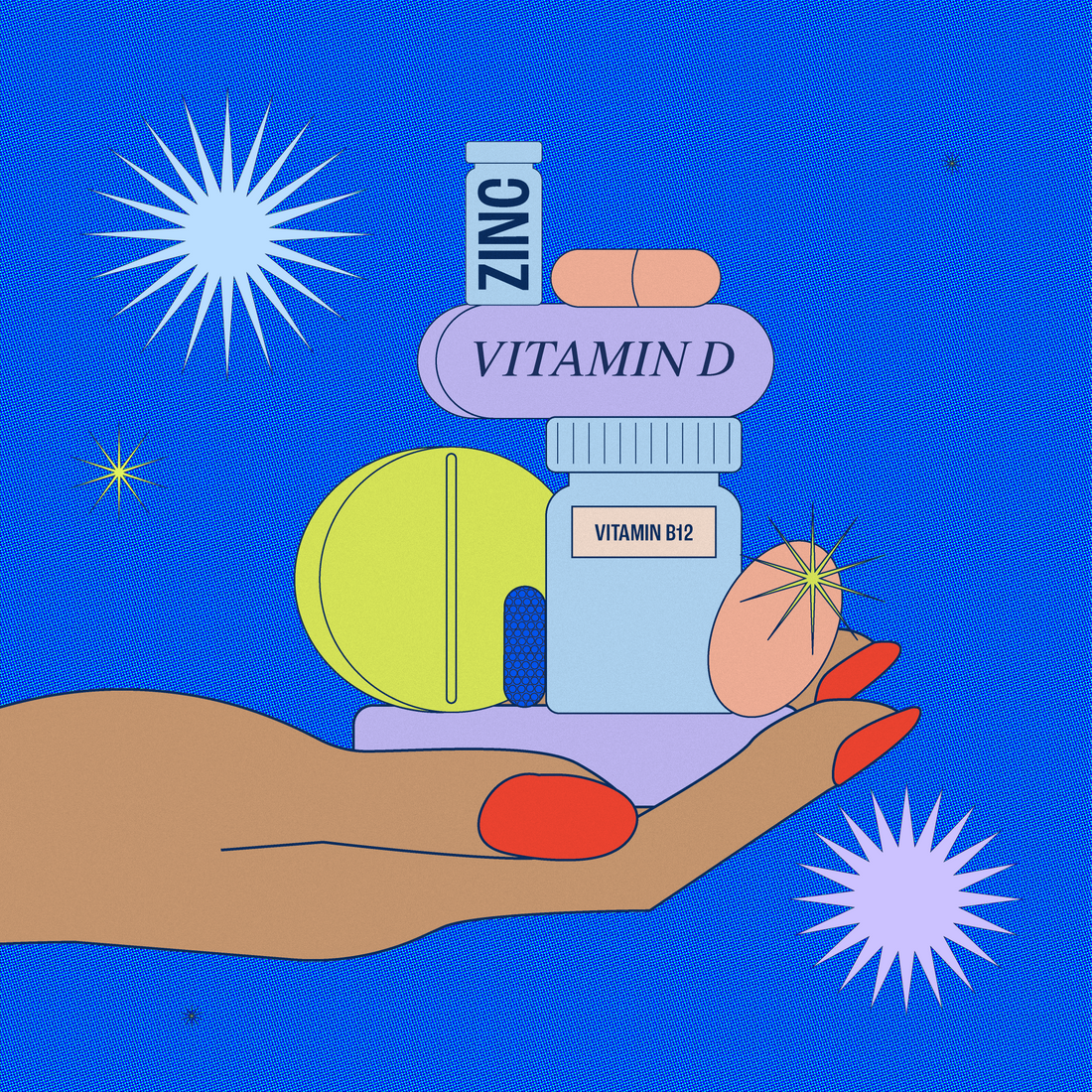
Asking your GP or health practitioner for a full nutritional blood panel will help you identify the specific nutrients you need to supplement. Being on the forefront of any depletions can help both your physical and mental health. A research review released in 2025 found a link between postpartum depression and deficiencies in specific micronutrients—particularly vitamin D, vitamin B12, and zinc.
McInnes emphasises the importance of vitamin D, vitamin B12—alongside protein, iron, calcium and fibre. The first step is food, McInnes clarifies, “Ensure the mother is eating enough and giving her permission to do just that—eat. In my experience, often she is not.”
From there, wherever there are nutrient deficiencies and not just gaps, McInnes explains, “then a therapeutic intervention with supplements can make a really positive impact and fast.”
While a simple blood test will point to your specific needs, there are common depletions that pop up during postpartum, particularly when breastfeeding.
What your body needs postpartum
Iron Common symptoms of low iron: fatigue, weakness, shortness of breath, headache and dizziness, restless legs syndrome (RLS)
Iron is an energy and immune fueling mineral that our body relies on heavily post-birth. As with pregnancy, iron is often depleted during postpartum, particularly when breastfeeding.
“Iron requirements actually jump from 18mg to 30mg/day when breastfeeding” explains McInnes.
The World Health Organisation (WHO) recommends following your pregnancy iron supplementation plan, otherwise oral iron supplementation is recommended 6-12 weeks following delivery.
“The most common deficiencies I see post birth are iron deficiency and thyroid imbalances” highlights D’Arcy. “Iron deficiency is very commonly linked to postpartum depression or postpartum anxiety in research so it’s a big one to consider.”
D’Arcy emphasises that it’s a lack of testing early on that often leads to iron deficiency—so if you believe you may be experiencing low iron, get tested as soon as possible.
Vitamin B12 Common signs of low B12: lethargy, pale or jaundiced skin, mood changes, poor appetite, weight loss
Vitamin B12 also helps with energy, along with brain function and nerve tissue health. It's a water-soluble vitamin—meaning it dissolves in water and isn’t stored in the body—so it's important to get enough each day.
McInnes recommends getting your B12 and iron stores checked when you’re breastfeeding, as they’re likely low. “Iron and B12 are depleted in both pregnancy and lactation” explains McInnes, “Very important to have both checked in the 6-week blood test.”
Thyroid Signs of thyroid imbalance: fatigue, sluggishness, weight changes, constipation, swelling, insomnia, heat intolerance
Most women don’t consider their thyroid until they discover an imbalance. Thyroid imbalances disproportionately impact women, and risks increase significantly during periods of big hormonal changes—such as postpartum.
McInnes explains, “Your thyroid becomes more defective after each baby, with one in ten getting an underactive thyroid gland postpartum.”
“The most common deficiencies I’ve seen post-birth are iron and thyroid imbalances” echoes D’Arcy.
Symptoms of thyroid imbalances are often mistaken for “typical postpartum” so if you’re feeling any of the relevant symptoms, it’s worth asking your GP or medical practitioner to check your thyroid to ensure that there isn’t an underlying imbalance.
Vitamin D Signs of low vitamin D: fatigue and muscle weakness, bone or lower back pain, mood changes, frequent infections, muscle cramps
Vitamin D is a fat-soluble vitamin—meaning it’s absorbed by fat and stored until you in—and instrumental for bone health and immune function. Vitamin D needs are higher during pregnancy, which can lead to lower levels postpartum.
Blood work will clearly indicate your vitamin D levels. “Consider vitamin D supplements if vitamin D levels are lower than 75nmol/L” recommends McInnes.
Zinc Common signs of low zinc: frequent infections, slow healing, skin issues, reduced appetite
Zinc is an essential mineral in the body that supports immune function, healing and hormone production—all particularly relevant postpartum and potentially why it’s been linked to postpartum depression.
Zinc supplementation is generally safe, but consulting a health professional prior is best as zinc should not be taken in excessive amounts.
Calcium Signs of low calcium: muscle cramps, brittle nails, dental problems, bone pain
Calcium is a mineral that’s crucial for bone health, muscle function, and milk production. When producing breast milk, calcium is drawn from the mother’s stores, placing an additional demand for calcium on the mother’s body.
McInnes underlines the importance of calcium in a mother’s diet postpartum. Keep in mind calcium and vitamin D absorption go hand in hand, with vitamin D specifically required for calcium absorption. Both are important for lactating mothers. Two Islands Hydrate4 contains calcium, as well as potassium, another excellent calcium partner. Together they support bone strength, regulate blood pressure, and maintain proper nerve and muscle function
Probiotics Signs of gut imbalance: constipation, diarrhoea, bloating, gas, abdominal discomfort
Probiotics are live bacteria and yeasts that live in your gut, which help support digestion and immune function. They’re generally safe to take immediately postpartum, unless you have an existing health condition.
“While other supplements are dependent on individual needs” explains D’Arcy, “I recommend a good quality fish oil and a probiotic immediately postpartum.”
A focus on gut support and a healthy microbiome—through both probiotics and fibre—is particularly important in encouraging regular bowel movements and helping to avoid digestive discomfort post-birth.
Omega-3 Signs of low omega-3: low mood, brain fog, stiff joints, dry skin and brittle nails
Omega-3 fatty acids (such as fish oil) are essential fats that the body cannot produce on its own, meaning they come from diet or supplements. Omega-3s support brain health, mood, inflation, and are particularly recommended for those breastfeeding.
“Omega-3 should be a daily intake” recommends McInnes, “as our bodies do not make it, it's essential to get in the diet and how much you get in both pregnancy and breastfeeding, directly impacts how much your baby gets.”
A high-quality fish oil, as mentioned by D’Arcy, is an easy and practical way to ensure you’re getting enough omega-3, particularly if you don’t eat fish.
Hydration (H₂O) While not a supplement, hydration is a non-negotiable postpartum—particularly while breastfeeding.
Fluid needs increase during lactation, as even mild dehydration can lead to headaches, reduced milk supply and constipation.
McInnes recommends increasing water intake during postpartum, especially for lactating women, potentially increasing your electrolytes as well.
“Hydramama is a great one. You can safely take a few a day as it’s low sodium but still impactful” recommends McInnes. While Two Islands Hydrate4 has is a high-sodium hydration drink that will rapidly replenish electrolytes particularly after nights of postpartum sweating or clusterfeeding.
What you don’t need
Iodine Iodine is a primary component of thyroid hormones, and pops up a lot in regards to postpartum nutrients. However, it’s best to steer clear of iodine supplements postpartum unless advised by a health professional.
“I would never suggest further supplementation for Iodine” explains McInnes. “This is a cautious nutrient that without knowing what your thyroid is up to and having an iodine test, you should be targeting with diet.”
Vitamin A Vitamin A is another fat-soluble nutrient that supports immune function, skin health and vision. However, WHO advises against vitamin A supplementation during postpartum.
There’s a lack of evidence vitamin A supplements provide any significant health benefits, and excessive intake can be harmful. A balanced, healthy diet generally contributes to enough vitamin A for both mother and infant.
Vitamin E Vitamin E is a fat-soluble antioxidant that also helps with immune function and skin health. While it isn’t unsafe at dietary levels, high-dose supplementation during postpartum isn’t needed unless specifically medically advised, as it poses some risks of bleeding.
Vitamin B6 While vitamin B6 supports energy and brain function, high-dose supplements can lead to nerve damage and other negative effects.
During postpartum, it’s best to get your vitamin B6 through nutrition rather than supplementation.
What to avoid
Herbal supplements offer numerous health benefits, however certain herbs impact your hormones and are best to avoid during postpartum, especially if you’re breastfeeding.
- Black cohosh
- Echinacea—if you do take it, watch for possible side effects in your baby (particularly diarrhoea, constipation, poor feeding, skin rashes)
- Tumeric—safe when eaten, but avoid high-dose supplements unless advised by a medical professional
- Licorice root—can impact blood pressure and hormones, so best avoided until you’ve ceased breastfeeding
- Milk thistle
- Aloe vera latex—avoid taking orally as it can have a strong laxative effect
Feeling overwhelmed? We get it—here’s what to do first
McInnes understands all too well the myriad of feelings experienced during postpartum.
The best thing to do? “SLEEP” advises McInnes. “Rest, recovery, boundaries, water, wholefoods. Focus on your energy intake—two brekkies, low caffeine, big lunch, lots of dark green veggies, (good) fatty foods, wild caught fish, red meet 3-4 times per week, broths, gut support/fibre, lots of antioxidants and probiotic rich foods.”
As D’Arcy reminds new mothers, “Your nutrient demands are actually higher postpartum than in pregnancy and it’s a gap so often missed.”
At your 6-week check up, ask for a full blood work to find out specifically what supplements your body needs. And remember: you can’t pour from a depleted cup.