
I’ve flirted with anemia for most of my adult life—it’s an unhealthy on-and-off-again relationship that leaves me extremely fatigued. During pregnancy (and postpartum!) I hit an all time low, with my iron stores being—and I quote my GP—”non-existent.” Given I was spewing my guts out all day while building a human, I’m not surprised.
Turns out, I’m in good company. In Australia, it’s estimated that up to 70% of pregnant women are iron deficient and around 18% of pregnant women experience iron deficiency anaemia, with numbers higher for Aboriginal and Torres Strait Islander women.
There’s numerous risk factors that increase the likelihood of iron deficiency and/or anaemia (I had multiple, as I’m an over-achiever like that). For instance: you began your pregnancy with lower stores; had pregnancies close together; are carrying twins or more; follow a vegan or vegetarian diet; experience severe morning sickness; have a history of eating disorders, coeliac or inflammatory bowel disease; or if you’re a young mum.
“It is important to understand that pregnancy causes increased iron demand, not iron loss” explains GP and lactation consultant Dr Amber Hart. “Whether iron drops depends on the mother’s starting stores, intake, and absorption. Not everyone will develop iron deficiency or anaemia.”
Mini-Glossary
Iron stores: the amount of iron your body has saved for future use (think of it as your iron bank account!).
Ferritin: a blood marker that reflects your iron store (usually the first test used to check if you’re iron deficient).
Absorption: how well your body is able to take iron from food sources and move it into the bloodstream (judged by a group of markers on a standard blood test) Hemoglobin: the protein inside red blood cells that carries oxygen from your lungs to your body (and baby during pregnancy).
Deficiency: when iron stores are lower than they should be, but haemoglobin may still be normal.
Anaemia: a condition where there isn’t enough haemoglobin in the blood.
Haem-iron: iron found only in animal sources (made in bone marrow and liver).
Non-haem iron: mostly found in plants (with small amount in animal foods) and requires vitamin C for absorption.
Why is iron so in demand during pregnancy?
Iron is crucial during pregnancy. In lay-pregnant-woman terms: it helps your blood carry oxygen, keeps your energy up, and supports your baby’s brain and body as it develops.
“Iron is needed to make haemaglobin, the part of red blood cells that carry oxygen around the body” explains Dr Hart. “If iron is low, oxygen delivery drops. This can reduce Mum’s ability to fight infections, increase risk of complications during labour and slow recovery after birth.”
Given so many factors impact iron stores and absorption, when your iron demand increases—and particularly when your intake doesn’t—you can quickly slip into deficiency.
“The normal reduction in iron measurements due to increased blood volume (dilution) are most significant around 28-36 weeks, which is also when the body and the fetus need the most iron” advises Dr Hart. “Both the placenta and the fetus require iron and red blood cell mass increases, requiring more iron.”
Particularly worrying is that symptoms of iron deficiency or anaemia are often missed.
“Symptoms are often just put down to ‘normal pregnancy symptoms’ which can delay treatment” explains Dr Hart. If you’re experiencing any of the below, speak to your medical practitioner.
Symptoms of low iron or anaemia:
- Fatigue
- Dizziness
- Fainting
- Headaches
- Shortness of breath
- Racing or irregular heartbeats
- Reduced energy levels
- Depression
- Restless legs
- Insomnia
What is the recommended iron intake?
Clinical nutritionist Jennalea McInnes explains that the recommended iron intake jumps from 18mg prior to pregnancy to 27mg during pregnancy.
“It can be really challenging to meet the recommended daily requirement of iron in pregnancy” explains McInnes, “most women, even those who do eat red meat, might require an iron supplement at one stage of their pregnancy.”
This is why screening in early pregnancy and again in the third trimester is crucial for monitoring iron levels. Testing allows your medical practitioner to recommend a treatment plan based on your individual iron stores and absorption markers, ensuring the best course of action for you and bub. Although low iron is common during pregnancy, routine iron supplementation isn’t recommended in Australia as excessive iron can be harmful for both mother and baby.
Treatment and Prevention
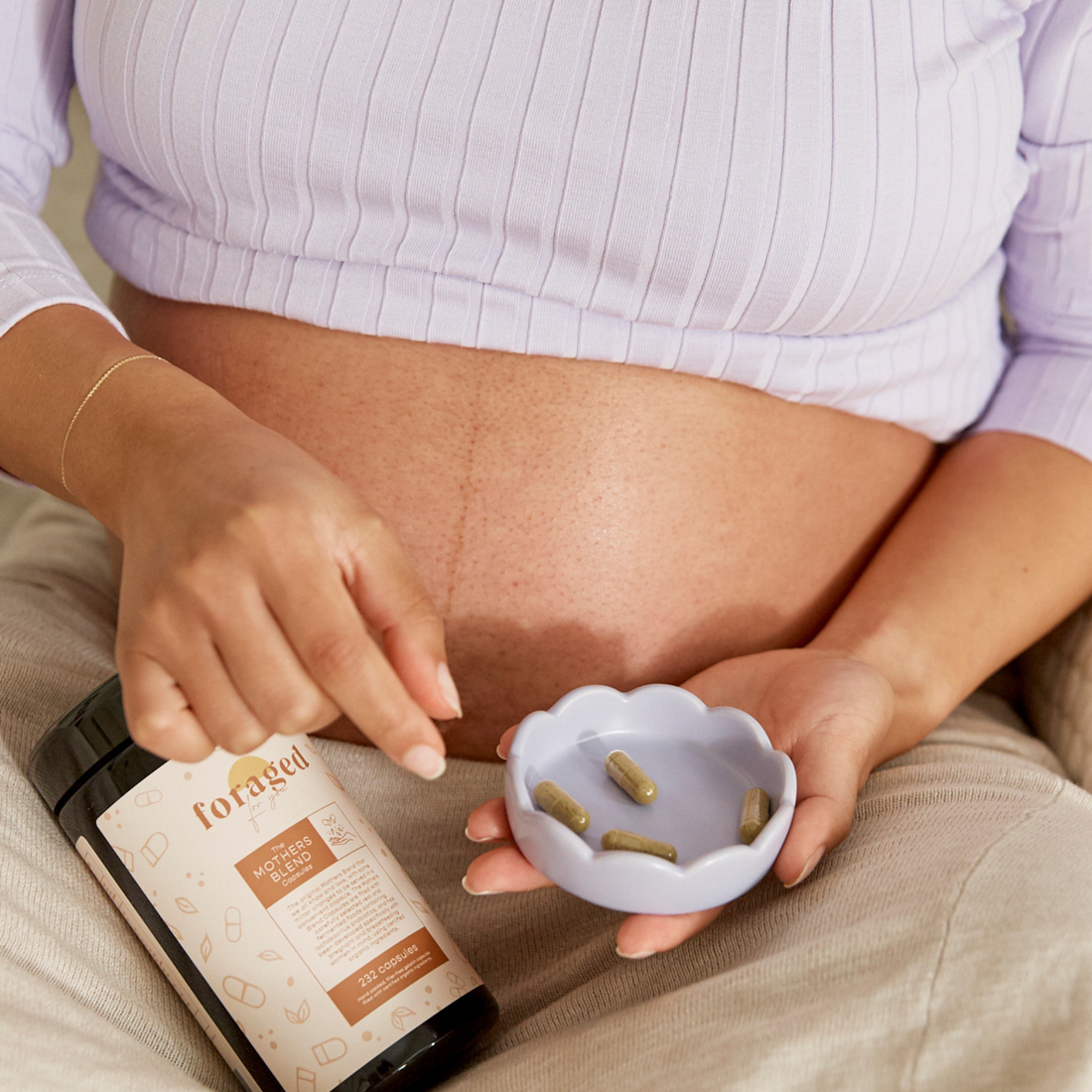
Iron tablets
“Iron supplements are recommended in women with a ferritin (measure of iron stores) level of < 30mg” highlights Dr Hart. “Usually we would begin with oral iron unless mum was severely anaemic, oral iron is not tolerated, or delivery is imminent.”
Dr Hart advises that the latest research suggests that taking iron supplements every second day sees better iron absorption with fewer side effects—and, as someone who regularly uses iron supplements, I can personally attest to that.
Generally, when there is a deficiency and no issues with absorption, iron supplementation can reliably increase maternal hemoglobin levels.
“Women seem to be pretty well educated about when/how to take their iron, but one of the common mistakes I see is taking iron with a multivitamin" highlights Dr Hart. “Most pregnancy multivitamins contain calcium and this can interfere with absorption of iron.”
Additionally, Dr Hart recommends continuing iron supplementation for 6 weeks after levels have normalised, even if that leads into postpartum. Ceasing iron supplementation during postpartum can impact mood, fatigue and breastmilk supply as iron remains crucial.
It’s important to note that iron tablets don’t work for everybody. For some there can be side effects—including nausea and constipation. Dr Hart explains, “Absorption varies hugely and some women just cannot absorb or tolerate oral iron.”
Considering an infusion can be worthwhile when oral supplementation isn’t effective. “We would normally treat for 4-weeks then retest and if the response has been poor, we would consider an IV iron infusion” advises Dr Hart.
Infusion
Being anaemic immediately qualified me for an infusion—and it was a gamechanger for me. Iron infusions are recommended if a woman is:
- Severely anaemic
- Unable to tolerate oral iron
- Not responded to a 4-week course of oral treatment
- Very late in her pregnancy
“Iron infusions are considered to be safe in the second and third trimesters. It’s a myth that iron infusions are dangerous for the baby” explains Dr Hart. “This is based on outdated information about old formulations. Untreated anaemia is more risky for the fetus.”
Keep in mind that iron infusions don’t work immediately—it can be several days up to a few weeks before you feel the effects. Dr Hart specifies, “fatigue can occur temporarily, but it can also be a sign of an under-recognised side effect called hypophosphaemia.”
Check with your GP or medical practitioner if you’re concerned an infusion hasn’t been effective. (And if you’re in Melbourne, you can pop in to see Dr Hart and her team directly at Maternal and Infant Wellbeing Melbourne.)
Diet
Increasing the amount of iron in your diet can help prevent iron deficiencies and maintain normal levels. “But it is not enough to treat iron deficiency or anemia,” advises Dr Hart.
Sources of haem-iron rich foods include chicken and beef liver, ground beef, chicken thigh and salmon. When increasing iron intake through diet, it’s particularly important to consider absorption. Some foods reduce how much iron your body absorbs, counteracting all your hard work, while some foods do both jobs for you.
“Consumption does not always equal absorption!” emphasises McInnes. “Chicken liver and beef kidney are excellent sources of haem-iron and its cofactor nutrients that support iron absorption.”
Additionally, she recommends skipping the coffee while eating breaky, as both calcium and caffeine reduce absorption.
Clinical nutritionist Jenna McInnes recommendation for an iron-rich (and yummy!) day of eating:
Breakfast: 3 eggs with the yolk (away from caffeine to optimise absorption) with some cooked tomatoes in olive oil, alongside cooked spinach on pumpkin seed toast.
Lunch: 120g~ wild caught salmon fillet with a roasted sweet potato salad full of lentils, kale, pumpkin seeds and citrus dressing (lemon, olive oil, tahini, salt, pepper).
Arvo snack: A cherry-choc smoothie (1 cup frozen cherries (sour cherries if you can source), 1 tbsp raw cacao powder, 1 cup soy milk + 1 tsp chia seeds)
Dinner: Steak of choice (keep the fat on your steak**) with some mashed potato (mashed with butter), cooked green beans, broccoli and served with mustard seeds.
Dessert: Tofu mousse (blend tofu with cacao, sweetener of choice, some coconut milk or soy milk, dash of vanilla essence—and set in fridge!)
In a nutshell:
To increase absorption, pair iron-rich foods with:
- Citrus fruits
- Berries
- Broccoli
- Tomato
- Capsicum
- Sorbitol-containing fruits (apples, peaches, pear, apricots, cherries)
Avoid (as they reduce iron absorption):
- Tea
- Coffee
- Calcium
- Unprocessed brans
- Highly refined sugars
“Keep in mind some women just don’t absorb iron as well as others” highlights Dr Hart, which is why despite an iron-rich diet, you may still experience low iron during pregnancy.
Vegetarians and vegans
Women who follow a vegetarian and vegan diet are at risk of low iron during pregnancy, so increasing intake and getting screened early on is important.
“Foods with the greatest concentration of non-haem iron per 100g serving include: natto, tahini, cashews, cacao, cooked spinach, pepitas, cooked beans, organic firm tofu, beetroot leaves and broccoli” advises McInnes.
Increasing the amount of non-haem iron foods you’re eating and pairing them with sorbitol fruits and vitamin C rich foods to enhance absorption is crucial, while avoiding foods and nutrients (such as calcium) that lower absorption.
“It’s much harder when relying on non-animal sources,” explains McInnes. “There is also less zinc, vitamin A and copper in a vegetarian diet, which are all important nutrients to optimise iron absorption through iron.”
Supplementation is likely to be helpful for those following a vegetarian or vegan diet, but it’s best to get screened early on during pregnancy as absorption plays a big role and varies person to person, regardless of diet.
“I would not make any supplement recommendations until I see blood test results” emphasises McInnes. “A baseline is important so that when we do supplement, and get a retest, we know the impact the supplements are having and if we need to increase dosage or make changes. For instance, pairing the supplement with a probiotic to enhance absorption.”
For anyone concerned about their iron, get checked—you don’t have to wait until the designated screening times (early pregnancy and first trimester) or for symptoms to hit. A simple blood test and advice from professionals, like McInnes and Dr Hart, can make all the difference to your entire pregnancy.
Related Products


Pregnancy Iron & Vitamin C
A daily vegan-friendly iron supplement to support healthy pregnancy and foetal development.

Hydramama - Mixed Berry
A zero sugar hydration drink designed for pregnancy, postpartum and beyond.


Belly Flop Pregnancy Pillow
Bolster that bump and find your sweet sleep spot.

Heavy Lifter Belly Band
Less pressure, more support — from bump to postpartum recovery, in one compression band.

Hydramama - Watermelon + Lime
A zero sugar hydration drink designed for pregnancy, postpartum and beyond.

Hydration Powder - Mixed Berry
A hydration powder supercharged with electrolytes to support all stages of motherhood from pregnancy through to breastfeeding and beyond.

Belly Hydration Mask
A deeply hydrating 100% cotton sheet mask for a silky-soft belly.

Pregnancy Compression Tight
The most comfortable and supportive compression tights to grow with you from first trimester to full term.

Pregnancy Pillow - Linen


Belly Glide Pregnant Body Oil 150ml
Because pregnancy skin is really doing the most, particularly across the belly.