
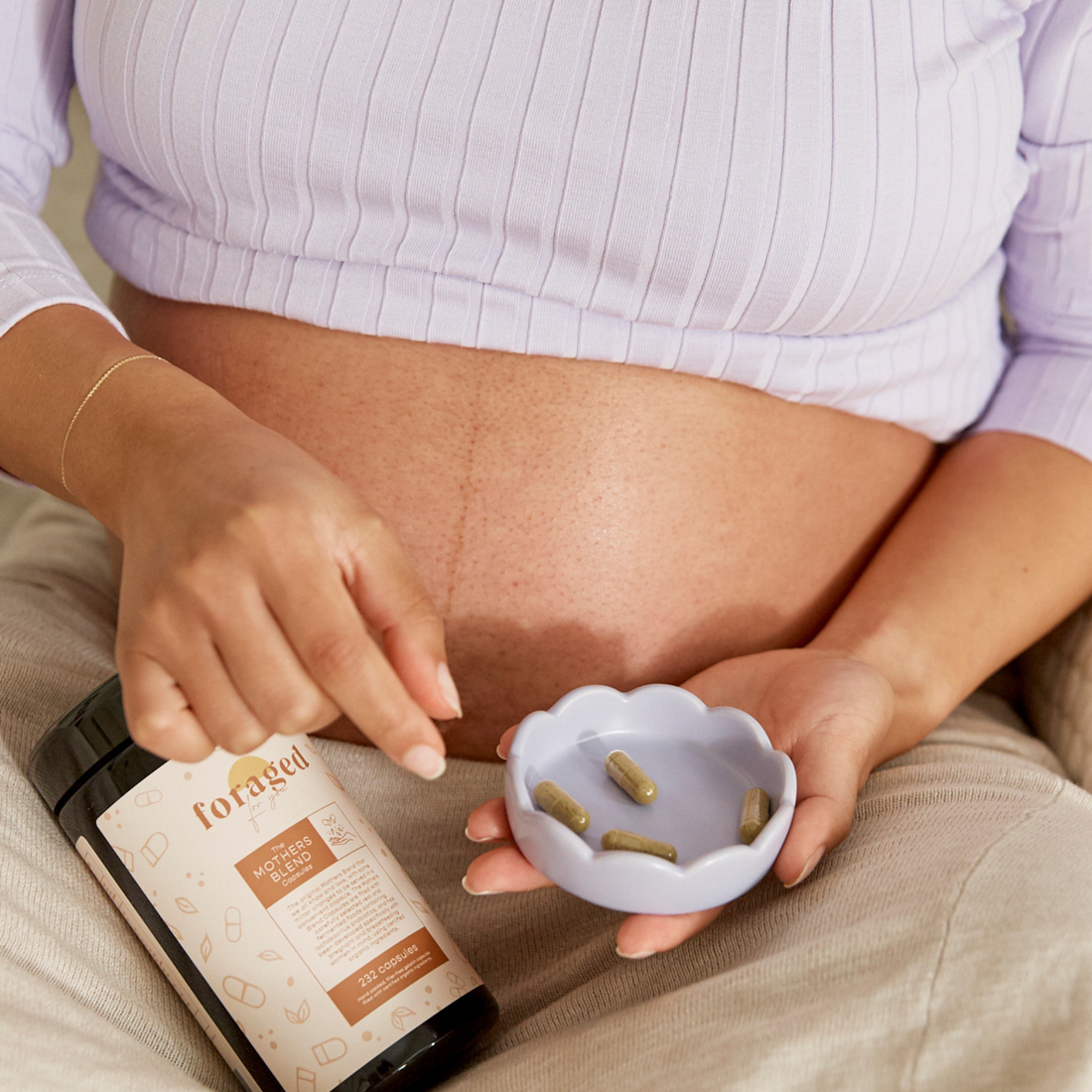

Pregnancy is an incredible time of change, and giving your body the right nutrients is one of the best ways to support you and your baby. The best prenatal vitamins in Australia help fill any nutritional gaps to ensure you’re getting the key nutrients you need for a healthy pregnancy. With so many options to choose from, we know that choosing the right one can feel overwhelming. That’s why this guide will break it all down, helping you find the right vitamins to suit your needs.
Why Do Prenatal Vitamins Matter?
Your body works overtime during pregnancy, and that means extra nutrients are a must. Prenatal vitamins make sure you and your baby are getting all the essentials. Folate helps lower the risk of birth defects, iron keeps your energy up and supports your growing blood supply, while calcium and vitamin D help build strong bones. DHA is another big one that’s great for brain and eye development.
Since every pregnancy is different, checking in with your doctor or midwife before picking a prenatal vitamin is always a good idea. They can help you find the right one to ensure you get the best support possible. We like to think of ourselves as part of your support crew too, so we’ve put together this guide on pregnancy support for your first trimester, detailing the first five things you need to get for your pregnancy.
Prenatal Vitamins You'll Definitely or Very Likely Need
When it comes to prenatal supplements, it’s good to know what key nutrients will give you and your baby the best start. Let’s take a look at the essentials and why they matter:
FOLATE: This nutrient helps reduce the risk of neural tube defects and supports your baby’s brain and spine development early on. Folic acid is a synthetic version of folate that has been shown in randomised trials to reduce the risk of neural tube defects by between 70% and 95%. Neural tube defects (like spina bifida) are rare already, but supplementation pushes them close to zero. The recommended dose is at least 400 micrograms (mcg) per day; higher is sometimes recommended for women with diabetes or a BMI over 30. For some people, a genetic variant may limit their ability to break down folic acid into folate so some newer prenatals are made with other versions of folate, like folinic acid or methylated folate as they’re easier for the body to absorb. These types have been studied less, but those that have been done indicate it is as effective.
IODINE: A daily supplement of 150 micrograms (mcg) of iodine is generally advised for pregnant women. This is because iodine is crucial for the development of a baby's brain and nervous system.
IRON (+ Vitamic C): When you’re pregnant, your body produces about 45 percent more blood to support your baby’s growth, and iron is key to making that happen. It helps form red blood cells to ensure oxygen is being delivered to your baby. Low iron causes low energy, fatigue and depression. In Australia, the prevalence of iron deficiency (anemia) in pregnant women is around 15.7 percent but a much larger share would benefit from a iron supplement. It is important that iron supplements are taken with vitamin C as it aids absorption (and if it's not being absorbed, it's not worth taking). The recommended intake of 27 milligrams (mg) iron per day can be met through most prenatal vitamins. However, if you have iron deficiency or anemia, you’ll need higher doses of iron, managed by your doctor.
VITAMIN B12 (if you don't eat animal products) If you do not eat animal products, you need a Vitamin B12 vitamin, as that's the only place you can get it. You’re likely taking regularly if you don't eat animal products, but it’s especially important in pregnancy.
Prenatal Vitamins You'll Maybe Need or Could Benefit From
CALCIUM & VITAMIN D: It’s not just for your baby’s bones and teeth, calcium also helps keep your own bones strong and supports healthy muscle and nerve function. This nutrient aids in calcium absorption and helps you and your baby maintain healthy bones all throughout pregnancy.
There are theoretical reasons why calcium might be beneficial during pregnancy, mostly if you consume a diet with very low calcium. Similarly, vitamin D is broadly relevant for bone health, so it seems like it might be important. But we don’t have any concrete data suggesting there is some known threshold that matters.
Important for immune function and bone health (in you and you're baby), these may be recommended if you have a low calcium diet. There is also some limited data which links vitamin D deficiency during pregnancy to an increased risk of cesarean section, preeclampsia, preterm birth, and gestational diabetes.
DHA: DHA (Docosahexaenoic acid) is an omega-3 fatty acid that is found in cold-water fish. It’s also possible to get it in supplement form through fish oil. It supports the healthy development of the baby's brain and nervous system, particularly in the third trimester. It may also contribute to a healthy birth weight, a full-term pregnancy, and potentially reduce the risk of preterm birth.
CHOLINE: Choline is a nutrient found in a variety of animal products, especially fatty ones (salmon, eggs, beef liver, etc.) and is important for brain function and believed to be also important for fetal brain development. The value in choline supplementation is greater if you consume fewer animals in your diet.
-v1753683016989.jpg?1333x2000)
Choosing the Right Prenatal Supplements
Finding the best prenatal vitamins in Australia involves picking one that fits your body’s needs and works for your lifestyle. That said, what’s right for one person might not be the best match for you, so it helps to consider a few key factors before making your choice.
Here are a few things to keep in mind:
DOCTOR’S RECOMMENDATION: Your doctor or midwife knows your health history best, which means getting their advice is always a good place to start. They can recommend a prenatal vitamin that gives you the right support.
DIETARY RESTRICTIONS: Do you follow a vegetarian or vegan diet or have food allergies? Some prenatal vitamins use animal-derived sources for nutrients, while others are plant-based. It’s important to be aware of this and to check the ingredient list carefully.
DOSAGE: Some vitamins pack a bigger punch in one serving, while others spread nutrients across multiple doses throughout the day. Your doctor is the best person to help you decide if a low-dose or high-dose formula suits you best.
FORM AND EASE OF INTAKE: If swallowing pills feels like a chore, consider alternatives, such as chewable or liquid vitamins. The best prenatal vitamin is the one you’ll actually take every day.
What Else You Should Know
Taking prenatal vitamins consistently throughout pregnancy helps fill any nutritional gaps to support you and your growing baby. With so many options out there, finding the best prenatal vitamins in Australia comes down to what works for your body and lifestyle.
If you’re finding your prenatal vitamins are hard to stomach, you’re not alone. Some women experience nausea, constipation, or other mild side effects. If that happens, it’s worth checking in with your doctor to see if another formula might work better for you. And if swallowing tablets feels impossible, there are other options, such as prenatal gummies or liquid vitamins, that might go down easier.
At The Memo, we know that every pregnancy is different, and finding what works for you is what matters most. If you want to learn more, our pregnancy guide covers everything from nutrition to baby prep, while our preconception guide dives into what you need to know before you even see those two pink lines. However you choose to prepare, we’re here to make things a little easier—and a lot more enjoyable.
Related Products


Hydramama - Passionfruit + Orange
A zero sugar hydration drink designed for pregnancy, postpartum and beyond.

Hydramama - Blackcurrant
A zero sugar hydration drink designed for pregnancy, postpartum and beyond.

Hydramama - Watermelon + Lime
A zero sugar hydration drink designed for pregnancy, postpartum and beyond.