
When I gave birth to my second baby at the end of last year, I still hadn’t decided how I was going to feed him.
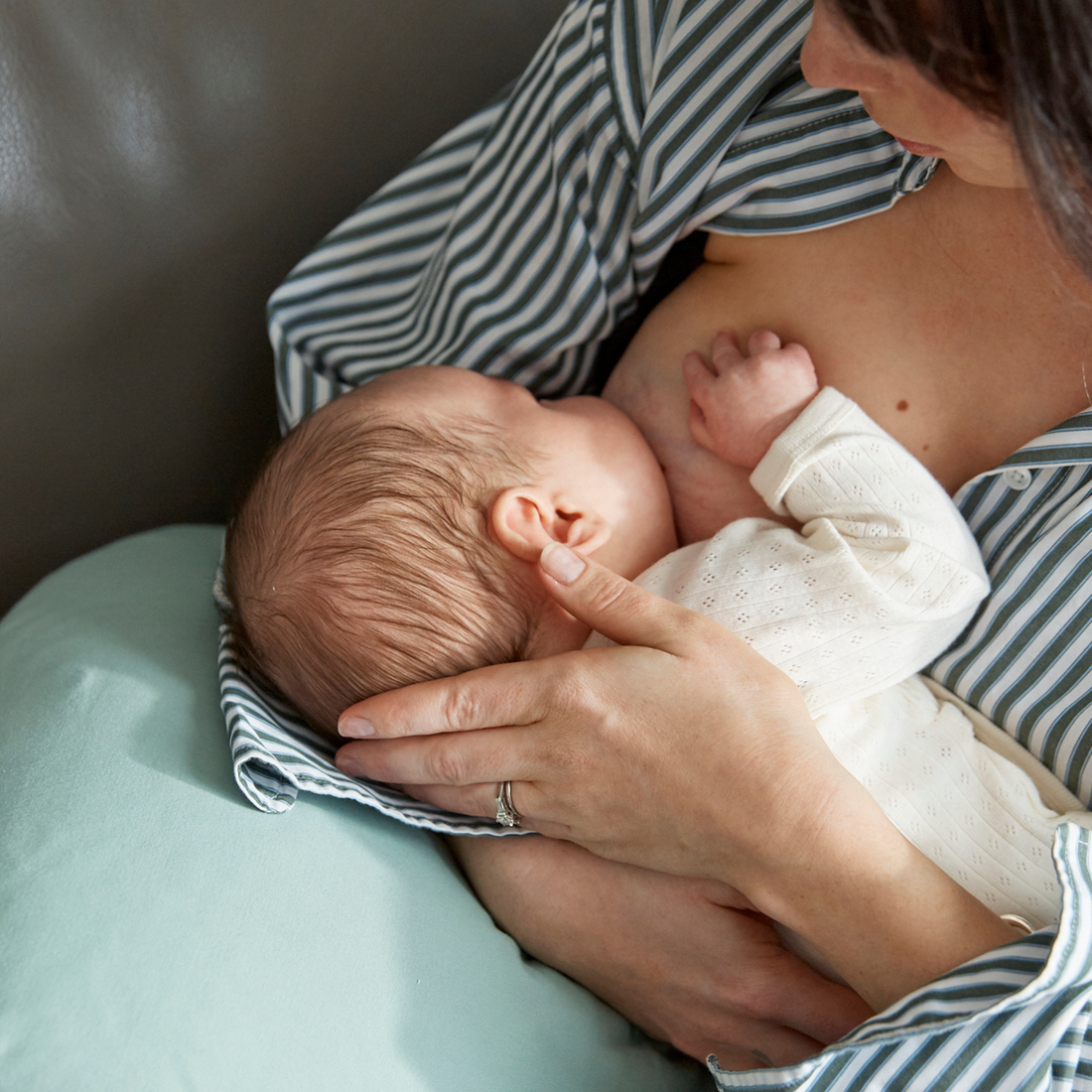
Physically, I knew I could breastfeed. But mentally, I didn’t know if I should. After having my first baby, I really struggled postpartum and I put a lot of that down to the immense pressure I felt to breastfeed.
It had started in the hospital. My milk didn’t come for the five days I was there but the midwives made it clear formula was the inferior option, even though it was the only thing available for my baby to drink. I was instructed to pump every time my daughter fed to encourage my milk to come in, so I dutifully spent most of my waking hours sitting in a dark corner attached to a hospital grade machine.
I remember my eyes filling with tears each time my husband settled onto the bed to feed my daughter a bottle of formula. He was getting to bond with our baby while I felt like I was failing her. By the time we brought our baby home, I had developed a huge complex about breastfeeding, and a lot of anxiety. I’d stay up all night trying to pump, squinting at the lines on the bottle and tallying up the totals. When my milk finally came in, I was determined to prove that I could feed my baby on my own, whatever the cost.
Personally, I found feeding painful, isolating and taxing on my mental health. Our little baby was very colicky and as a breastfeeding mum, I was often the only one who could settle her. In desperate need of a mental and physical break, I called midwives, consultants, hotlines, begging for permission to introduce a bottle and advice on how to wean. They all discouraged me, saying I’d ruin my supply, and to just keep going.
Months later, when I finally decided to give formula a try, I felt a huge weight lift off my shoulders. The simple act of being able to have someone else feed my baby, without me having to pump, felt life changing. Suddenly I had more mental space and clarity to show up as the mum I wanted to be, without the anxiety.
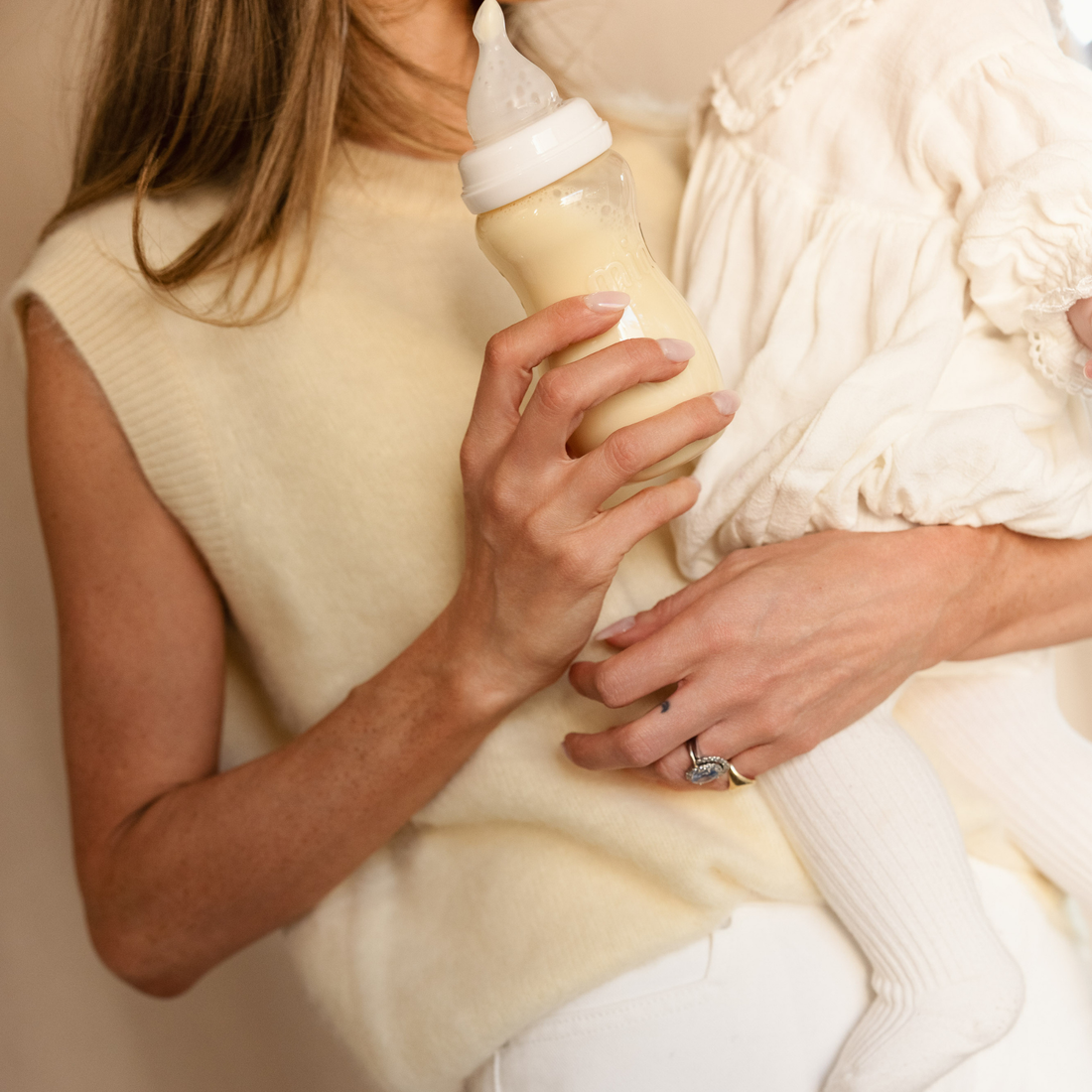
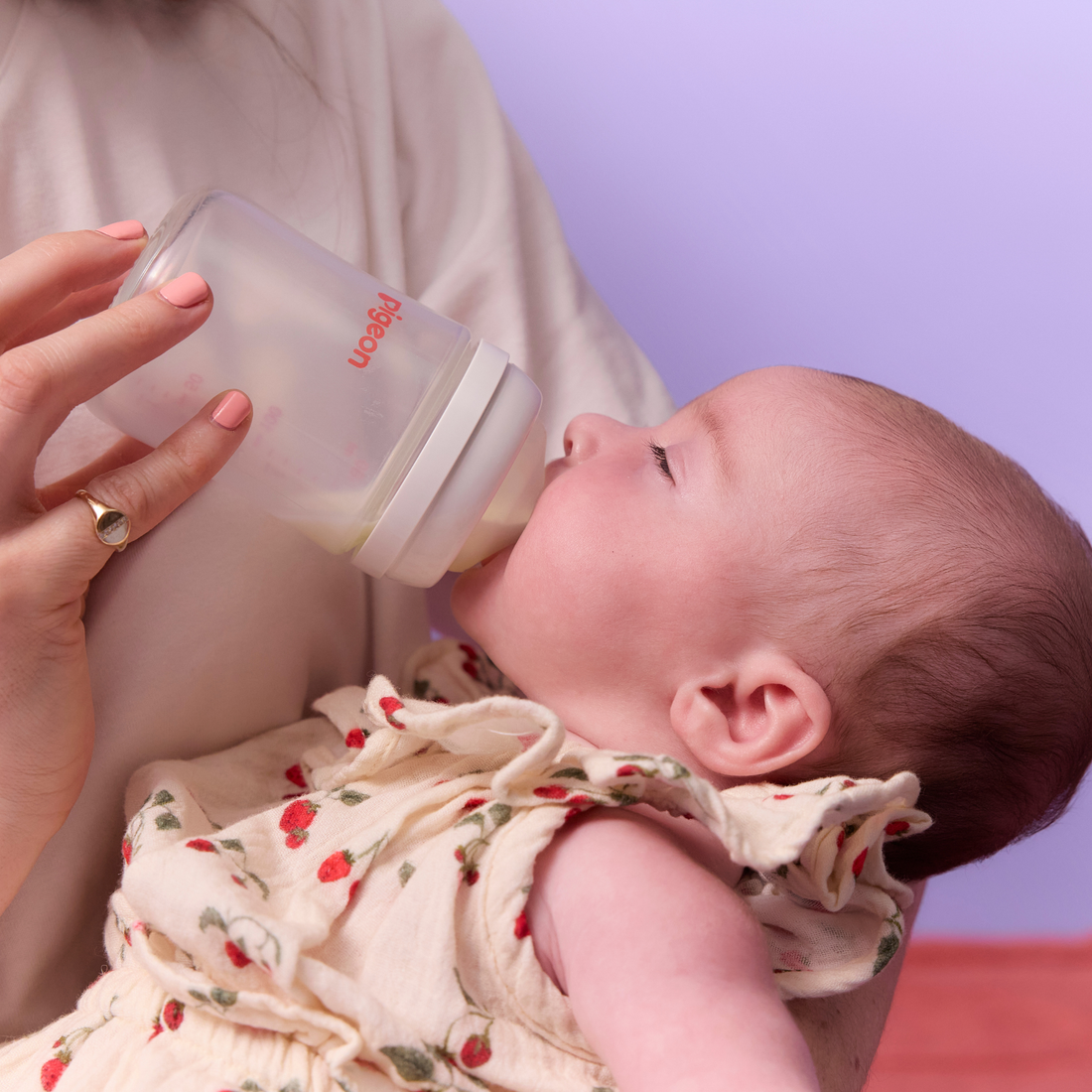
I held onto that feeling after I gave birth to my son. In my hospital bag, I’d brought everything I’d need to breastfeed, as well as a tin of formula, but it was only after a few days in the hospital with him that I made my decision. We were going to use formula, and I was going to try my best to be a better mum because of it.
In the days and weeks after having my second baby, I lost count of the number of people in my life who remarked how different I seemed this time round. Lighter, happier and more engaged with my baby. Choosing to bottle feed also meant I could rely on other family members, including my very excited toddler, to feed my son. This allowed immediate bonding and made a huge difference in the load I felt I was carrying in those early weeks. And practically, it meant that I could confidently leave my baby with my husband or a grandparent if I was away spending time alone or with my toddler.
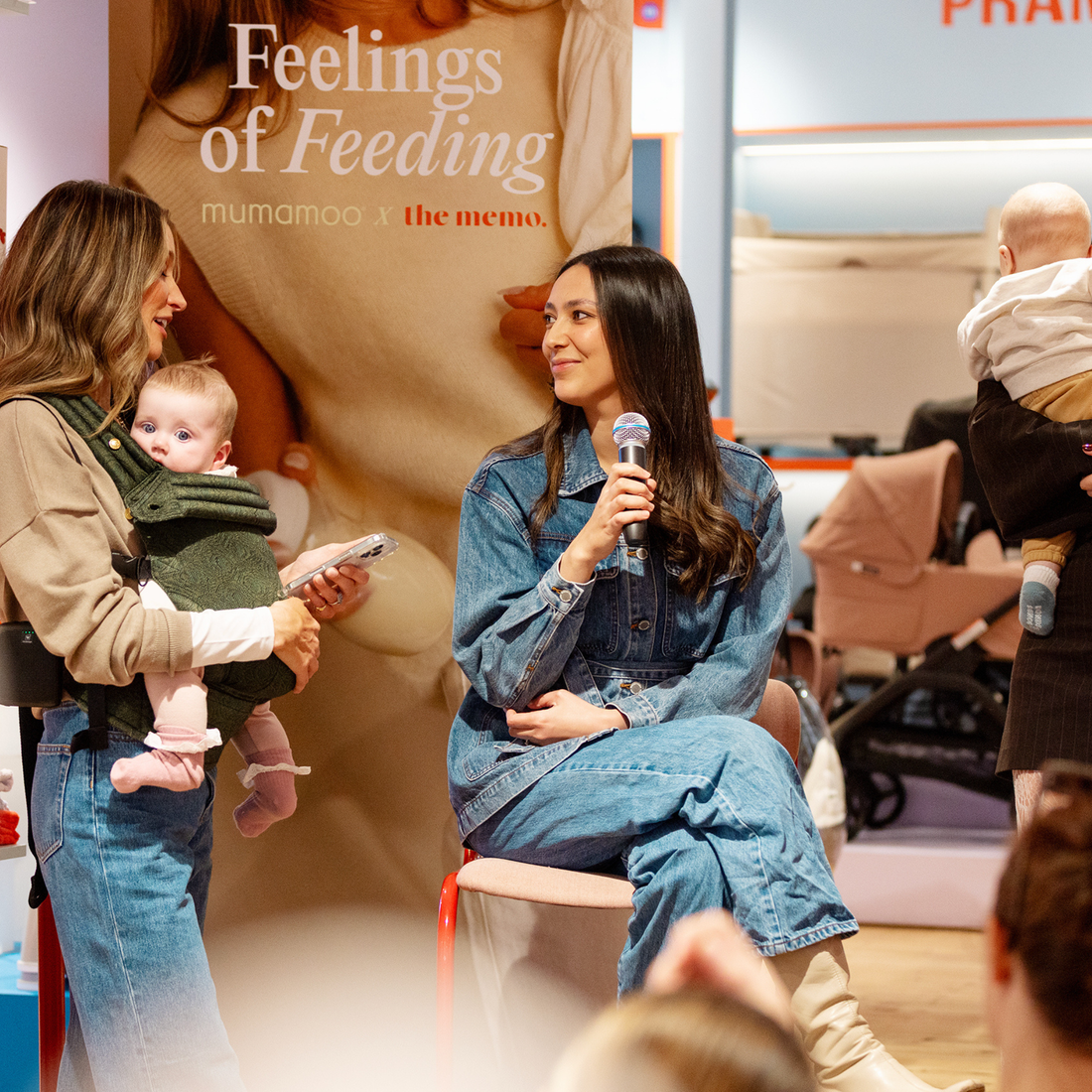
Mine was a deeply personal choice, but one that ultimately felt right for our family. I recently shared a bit of my story at The Memo’s Feelings of Feeding event in Melbourne. Something that really stuck out to me from the conversations we had that day was that many mums still feel shame around using formula, even if it’s the best thing for their mental health or their family’s broader wellbeing. Our host, Courtney McIntosh of the Inarra, recalled shaking up a bottle of formula inside her handbag at a park, because she was worried about what other mums might think. My fellow panelist, model Jess Rae King, shared how a lactation consultant discouraged her from introducing a single bottle of formula: even though Jess had just told her she’d been struggling with her mental health.
As someone who has two vastly different postpartum experiences, which I largely put down to the choices I made around feeding, it breaks my heart that so many women feel pressure to feed in a certain way. We need to keep having open, judgement-free conversations so that all mums feel empowered and supported to feed their baby their way.
Related Products


Minbie 3 Months+ Baby Bottle Kit 210ml
A bottle and teat kit for babies 3 months and older.

Stage 1 - Premium Infant Formula - 800g


Baby Glass Bottle Set 120ml - Baby Blue
Why glass? It’s the most hygienic and eco-friendly baby bottle material.