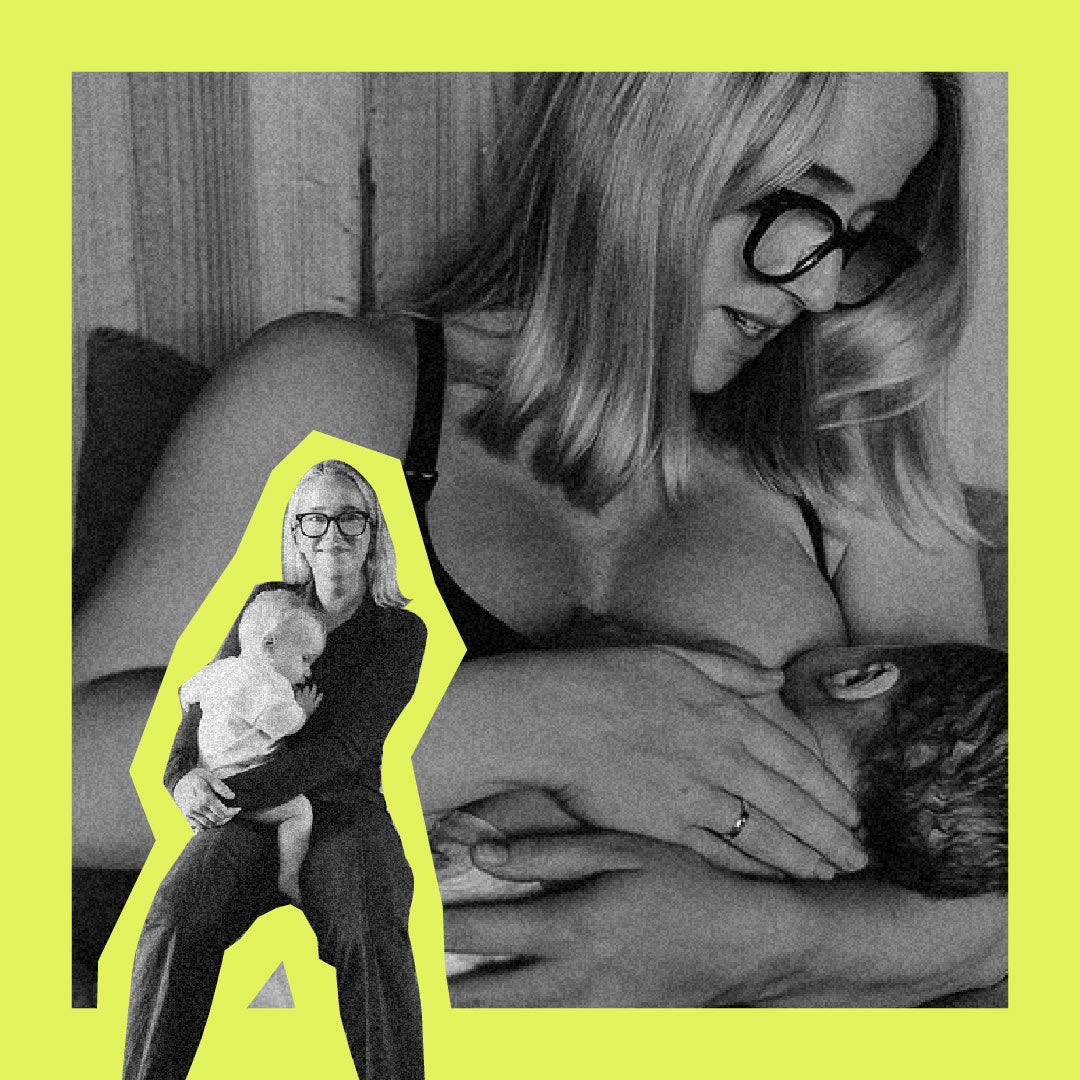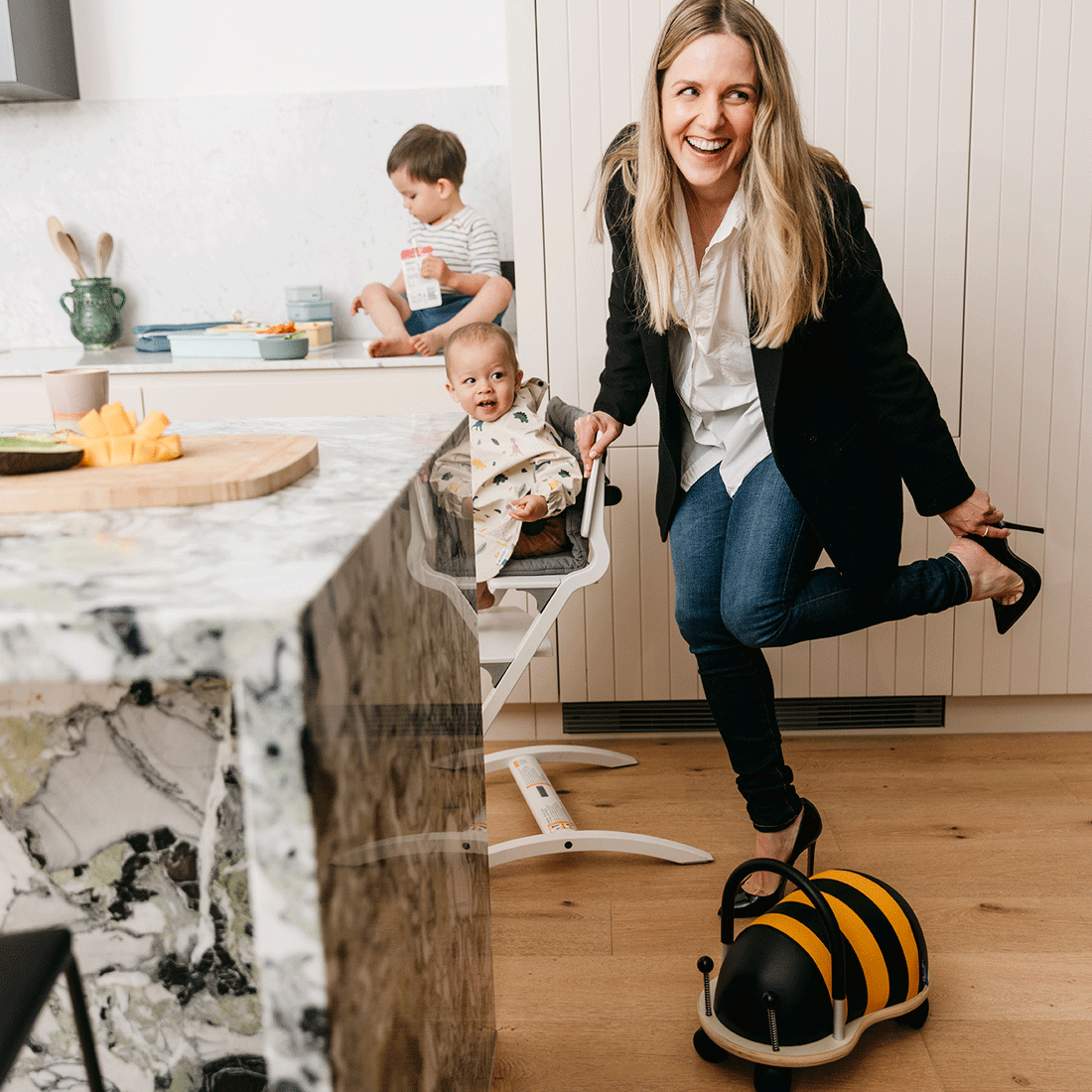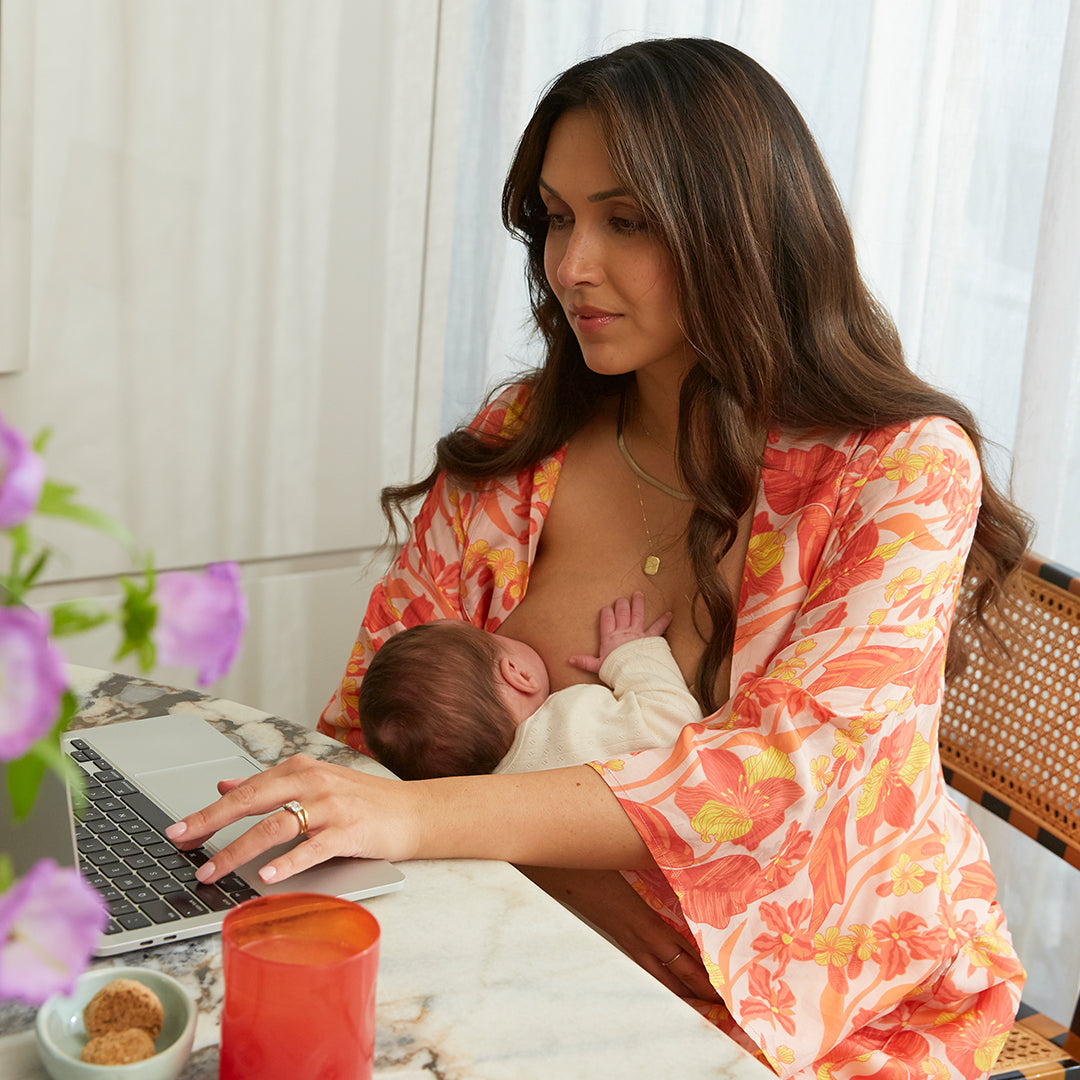
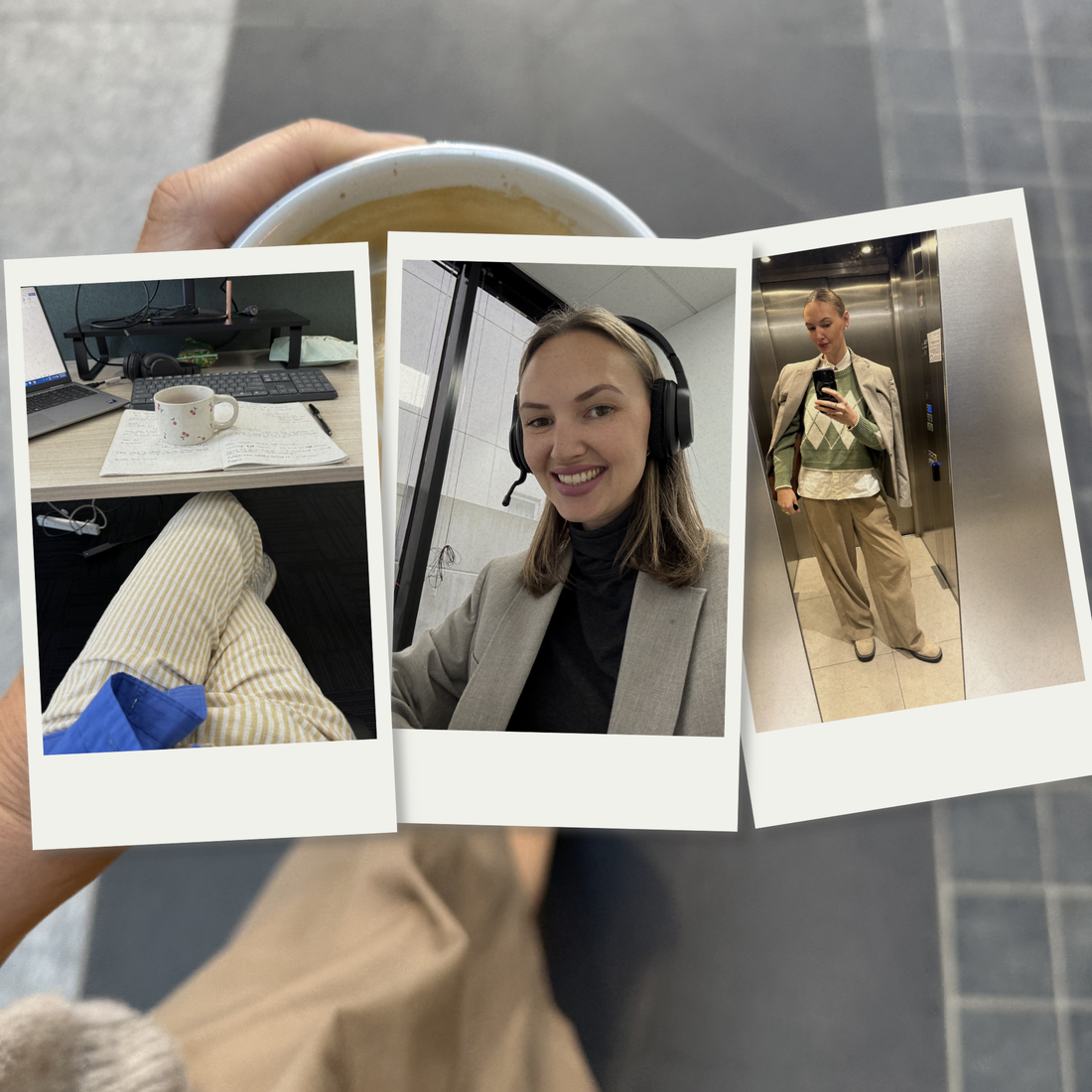

Returning to paid work after having a baby is a phase of parenthood that should be shown the same emphasis as the fourth trimester (which, while we’re at it, also deserves more of a spotlight). To transition from unending hours with your baby to meeting the rigid expectations of an employer forces many challenges as a new parent.
I have been through this twice now, returning to my paid work after each of my two babies. Pre-children I have been what most would describe as ambitious. However, my desire to start a family always superseded any aspirations I had at work. I had already had to navigate a senior position in a PR agency with appointments galore as I traversed the pleasures of unexplained infertility. Generally quite an open book, I didn’t feel ready to share this with my bosses at the time, so instead lots of excuses were made.
Returning to paid work the first time was complex. I had experienced a degree of separation anxiety, not from the baby to me (although that very much existed, he cried going to anyone else’s arms until after he was one), but from me to the baby. I couldn’t bear to be apart from him. My need for control was immense. Leaving him at daycare where he screamed and sobbed at every single drop off was torturous.
It was also underpinned by the fact I returned to work pregnant. I had arranged a very gradual return from nine months, but I’d done a second embryo transfer at eight months. Wild, I know, but when you’ve had years of not getting pregnant we didn’t want to wait. I didn’t tell my employer straight away as I was still early but knowing my tenure this time had an end-point affected my experience in the workplace. Once I shared my happy news, adjustments were made regarding my responsibilities. At the time I felt comfortable with this because my heart wasn’t really in it so the reduced load worked for me.
The whole eight months I was back in the office really made me question my identity. I know that might sound hyperbolic but when I had spent the decade prior pushing, pushing, pushing to get to the next level, the next position, the next opportunity, it felt quite alien to me to be happy sitting back and coasting. I still put my best foot forward, as my belly increasingly grew once more, but I conceded that now was not my time to shine.
Something changed during my second parental leave, perhaps it was having such a full load raising two literal babies (they are 16 months apart), but I yearned for space to be creative as a way of honouring my own needs. Leaning into that through writing for my Substack more regularly, the embers of my ambition began to purr once more. Using nap time to write and create, that fire began to grow stronger and more fierce.
Last October I formally returned to paid work once more. It was very different from my first return. No baby in my belly, I could look further ahead. I began asking questions. What does my pathway to progression look like? What opportunities are there for me? It became evident that my previous stint had not counted for much because of that aforementioned reduction of responsibilities. It was a very hard pill to swallow to look backwards and see that I’d stayed at the same level for the past three years. No progression. It felt like a failure in many ways. I’ve never been stagnant, ever! Parental leave is just that. Leave. Like any other. It is not an exit, a regression or an absence. It is a finite amount of time with an intended return. Yet there was no denying that it had affected my career. Was I being unrealistic to expect otherwise? I have absolutely no issue with my children being my priority. That isn’t about to change. But should I have to forgo professional success in exchange for the hierarchical position my children hold in my heart? Statistically speaking, I'm not alone, in the study more than 60 percent of new mothers returning to work said their opinions are often ignored and they feel excluded.
With the odds stacked against us, it’s important that we take matters into our own hands. There are some lessons I have learned the hard way which I want other women returning to paid work to ensure they have the smoothest experience possible during such a tumultuous period of their parenthood journey.
1. It is really, really hard at first, but I promise it softens with time.
Life never returns to exactly what it was like before children, but you adapt and so do they. In the beginning, leaving your baby can feel physically painful. Your heart aches and your brain feels scattered. Halfway through a meeting you're suddenly wondering whether you packed enough spare clothes and if they're all labelled. It feels as though you're forgetting something when really it's the weighty absence of your baby.
Then there’s the routine itself. Before your work day has even started, you’ve already lived another life. And once the laptop closes, the second shift begins when it feels like you've nothing left to give. But of course you find some more energy to do all of the unpaid work. It's time for the challenge of dinner, bath, bed, while traversing tantrums from overtired offspring and possibly from yourself too.
Incredibly, you become more resilient and capable. It will still be chaotic, mind. I remember my first time back at a client office post parental leave, my husband was away and my son projectile vomited over both of us minutes before leaving the house. I had to emergency-call my in-laws while wiping sick off my blazer. The good news is, as your child settles into daycare so does your cortisol.
Unless, of course, you cut the toast wrong. Then all bets are off.
2. Grace is essential.
I will advocate to the end of time for the deservingness of mothers professionally, but inwardly, there is also a very real adjustment period after returning to paid work that deserves compassion. You are recalibrating while figuring out how much time with your children you need in order to feel emotionally anchored. Learning where your boundaries lie can be confronting but it's an integral part of the process. You may have been exceptional at your job and still feel rusty returning. For months you have been immersed in one of the steepest learning curves imaginable. You became a caregiver, a regulator, a comforter, a logistics manager, a nutritionist... You became a mother.
That transformation is enormous. Of course some professional muscle memory takes a minute to warm back up.
It does come back though. I promise.
In the meantime, externalise everything. Write lists. Build checklists before submitting work. Put your phone on do not disturb except for your partner and whoever is caring for your child. Protect your focus fiercely because your time is no longer elastic.
3. Mothers are unbelievably efficient.
The option to stay at the office until your work is finished is no more. Pick up time is fixed so you either get it done or work after bed time. I've done both, and will likely continue to do so. I have, however, learned that good enough is good enough. Time with my kids and sleep is more important than perfectionism.
4. Prepare to get sick. A lot.
Daycare illnesses can feel genuinely relentless. Not in a dramatic “just wait” way. In a statistically reliable way. Children in daycare will be sick 8 - 12 times in their first year. Bonus! So might you!
Before returning to work, have explicit conversations with your partner and your support network about how sick days will work. Who takes leave when daycare says your child needs collecting? What happens during busy work periods? What happens when everyone is sick simultaneously? What is your workplace’s sick leave vs carer’s leave policies?
5. Set up your ideal week
We found it incredibly helpful to map out our ideal week in advance. Spreadsheet, fridge calendar, notes app, whatever works. Knowing who does pickup, who cooks which nights, who handles solo bedtime and when, all of it reduces the mental strain of constant decision making.
Also, if it’s my husband’s night to cook and he asks me what I want for dinner, I get to say, “Anything. It’s your problem tonight.” Which, honestly, is such an underrated joy. Hold time for you.
This is not a luxury, it is maintenance. Your relationship, your identity, your nervous system all require care too. In our best weeks, my husband and I each get dedicated exercise time and we actively support each other maintaining individual relationships and interests outside parenting. I still prioritise monthly cinema trips with my child-free best friend because that friendship nourishes a completely different part of me. My husband disappears camping with family a few times a year and I encourage it. These things matter. They keep you connected to yourself beyond productivity and caregiving.
6. And finally, a difficult truth.
Many mothers experience discrimination after returning from parental leave. If it happens to you, please understand this clearly: it is not evidence that you have become less capable. It is evidence of systems and biases that still have not caught up to the reality of modern parenthood.
Pay attention to how opportunities shift. Notice exclusion. Follow up conversations in writing. Advocate for your progression. Document things that feel off. And when it comes to your boundaries, don’t shrink them to make other people comfortable. Block daycare pickup in your calendar. Leave when you need to leave. Speak openly about your children without apologising for them. Parenthood is not something to conceal in order to appear committed.
In fact, if you are someone in leadership, you have enormous power here. Be visible. Talk about caregiving. Normalise flexibility. Create psychological safety for parents simply by refusing to treat family life like a liability.
Hannah Mijovski lives and works in Melbourne, where she is raising her two children while pursuing her professional aspirations. In between all of this she shares her valuable insights on the long game of motherhood and career on instagram @hanjanran
Related Products


Pram Bag - Saddle Tan
A pram caddy that converts to a handbag to a cross body bag.

Infant Sachets
28 sachets to nourish 0-24 month olds and establish their digestive and immune system.

The Mothers Blend Powder
A supplement full of essential nutrition to support you during your motherhood journey.

The Children's Blend Powder
A powdered supplement of nutrient dense real and fermented foods for kids.
Kids Sachets
28 sachets for kids aged 2-12 to support their gastrointestinal health.

Flow State Supplement
An expert formulated 5-in-1 multitasking supplement for a calm, energised and revitalised state.

Lacevo S70 In-Bra Breast Pump Set
An innovative, hands-free, wearable double breast pump.