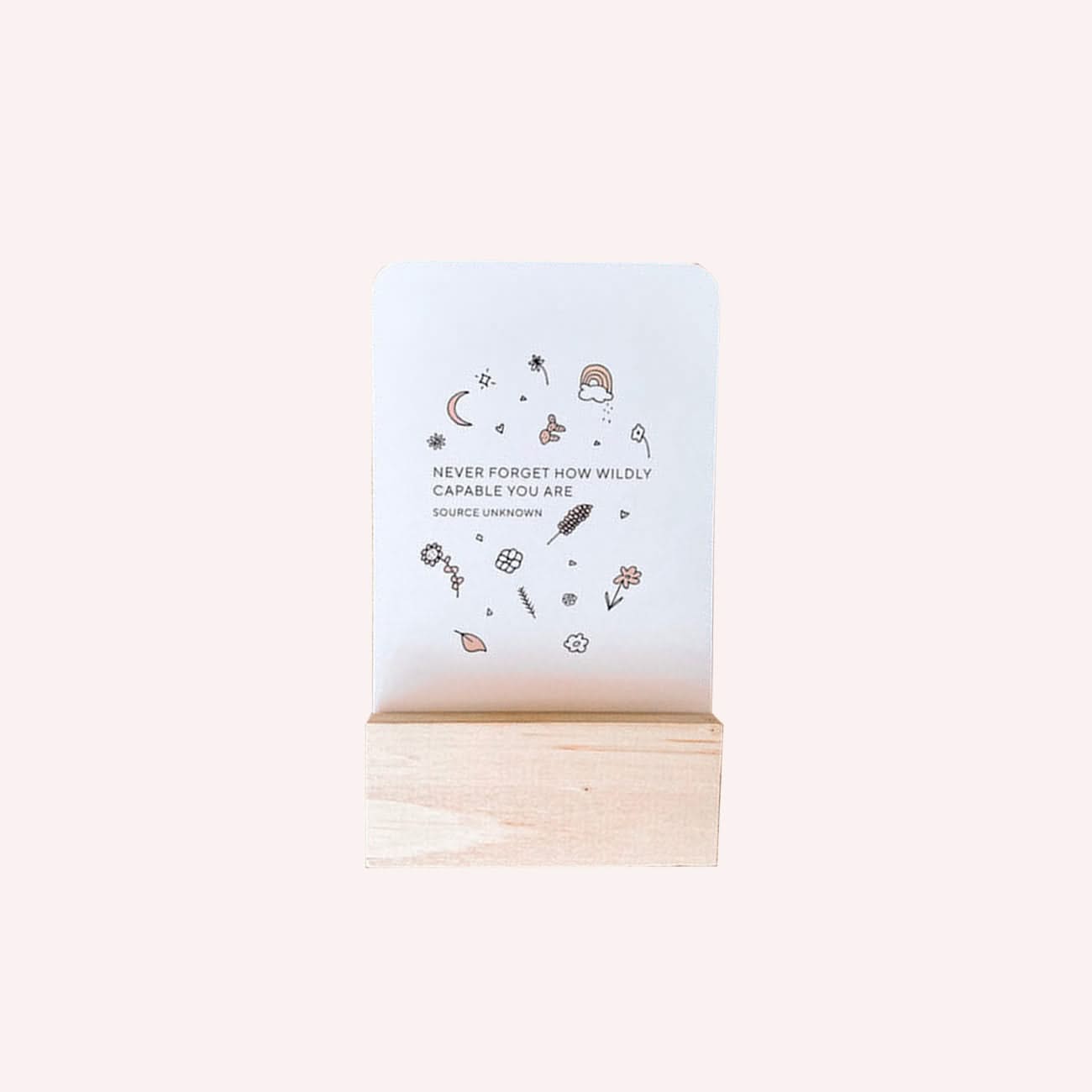
Affirmation cards or visualisation tools are really about getting your mindset right. “Mindset is key. “There’s a reason athletes visualise themselves winning. The subconscious mind doesn’t know what’s real or imagined — so when you practise visualising a calm, positive birth, your body can respond accordingly,” says McKay. “Doing daily visualisations and reading the Affirmation Cards set the tone of each day and it gave me something really positive to focus on.”


Some studies show as many as 80% of women have anxiety and fear of childbirth, with as many as 30% having a serious fear or phobia, called “tokophobia”. After her first birth didn’t go as planned, Christina McKay, someone who always faced fear by learning more to feel empowered, took a deep dive into what she could do to have a more positive experience for her second. “I learnt 1 in 3 women experience birth trauma, and it motivated me to want to help others. I came across hypnobirthing and felt it covered two main things that weren't covered in the hospital classes: mentally preparing for birth and tools to get you through labour.”
Now a hypnobirthing practitioner herself, here McKay shares some of the birthing she recommends in her teachings, and how to use them.
-v1776318960271.png?1080x1350)
More Labour Tips
Christina McKay's other top recommendations for birth.
- **Breathwork **
- Handheld fan You get very hot and sometimes nauseous during birth
- A birth plan Writing my birth preferences down and making them more around what was important to me (feeling safe, giving consent, no vaginal exams unless medically necessary) rather than verses how I wanted baby to be born.
- A doula Hiring a doula gave my husband and I the confidence and support we needed on the day. It really does take a village and you want to surround yourself with a team that is aligned and on board with how you choose to birth your baby.
Affirmation Cards
Clary Sage
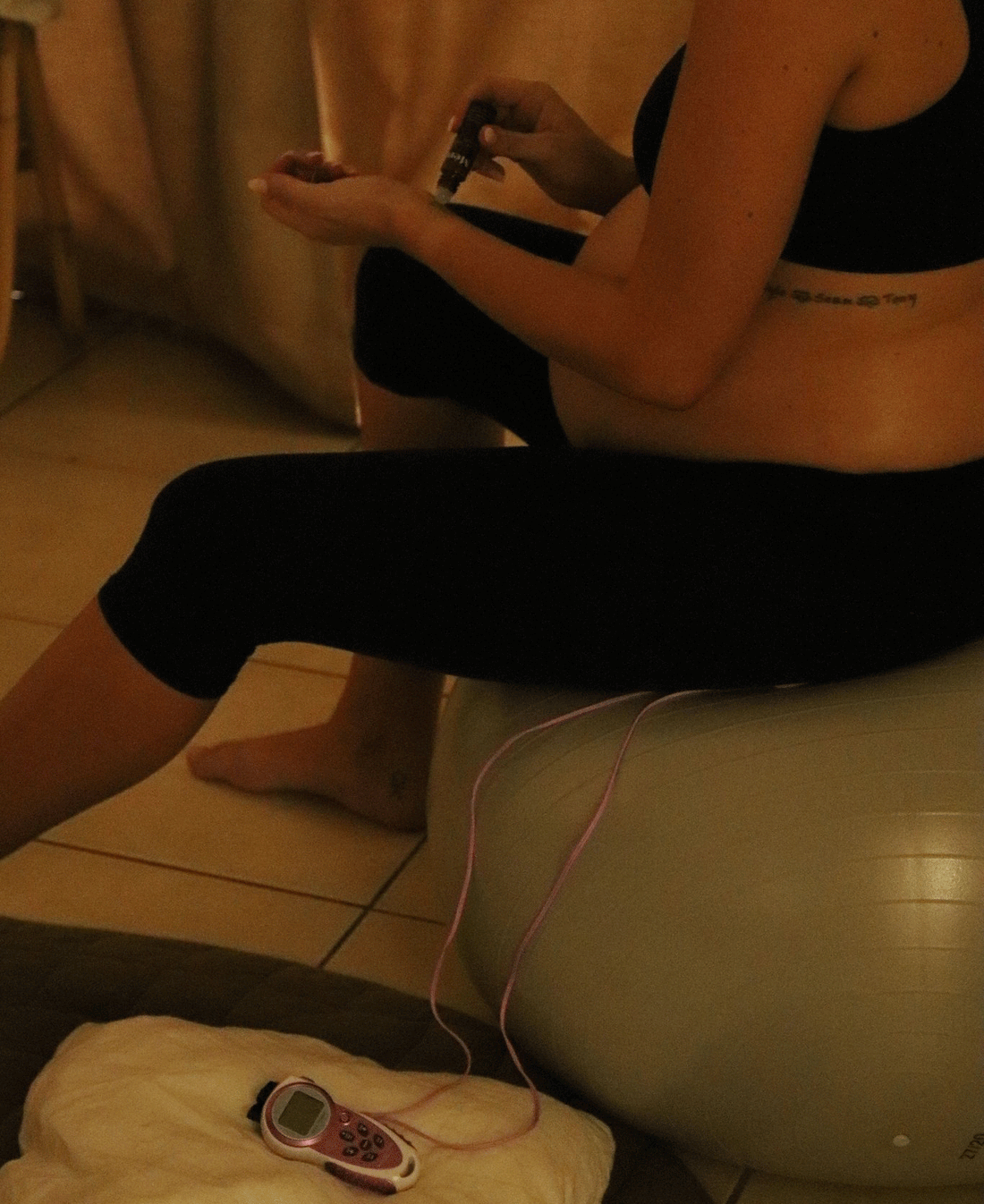
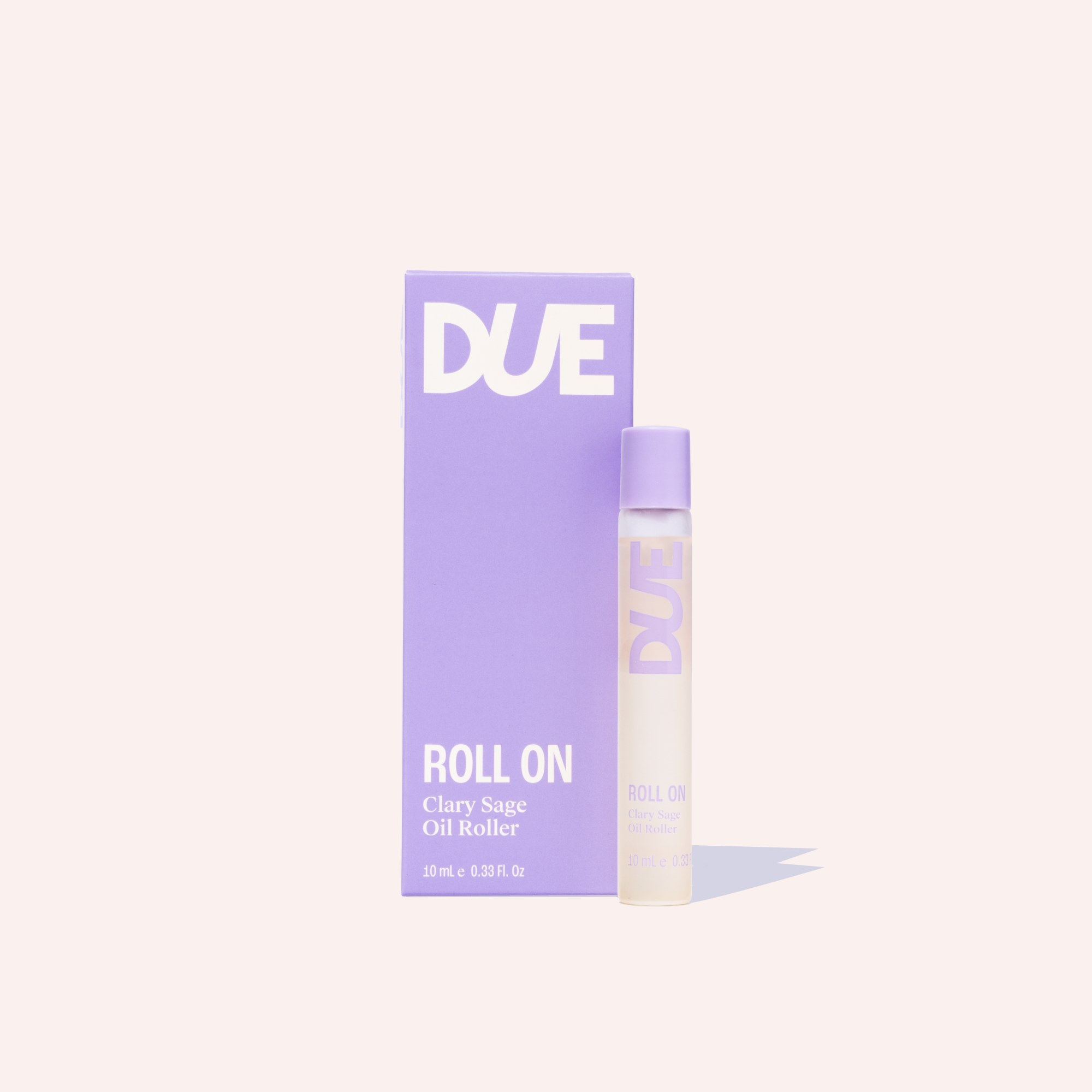
“Personally, I wanted to try to avoid an induction as much as possible with my second, so I did all the things with any inkling of scientific proof to help me go into labour naturally. I ate the dates, I curb walked, I listened to my soundtracks but in the end what really kicked it off for me was smelling clary sage and doing antenatal expressing. It worked so well that I had to stop both for a week: install my car seat, pack my hospital bag and then resumed both, with great success,” says McKay. Clary Sage has been used for centuries to either bring on contractions or increase their intensity. “It can work so well for some women that the hospital asks you not to diffuse the Clary Sage essential oil as it may put others into labour. On that note, do not use it before 40 weeks or until given the go-ahead by your healthcare provider. Nipple stimulation (via expressing colostrum) can also bring on labour, so again getting the sign-off by your healthcare provider is key.”
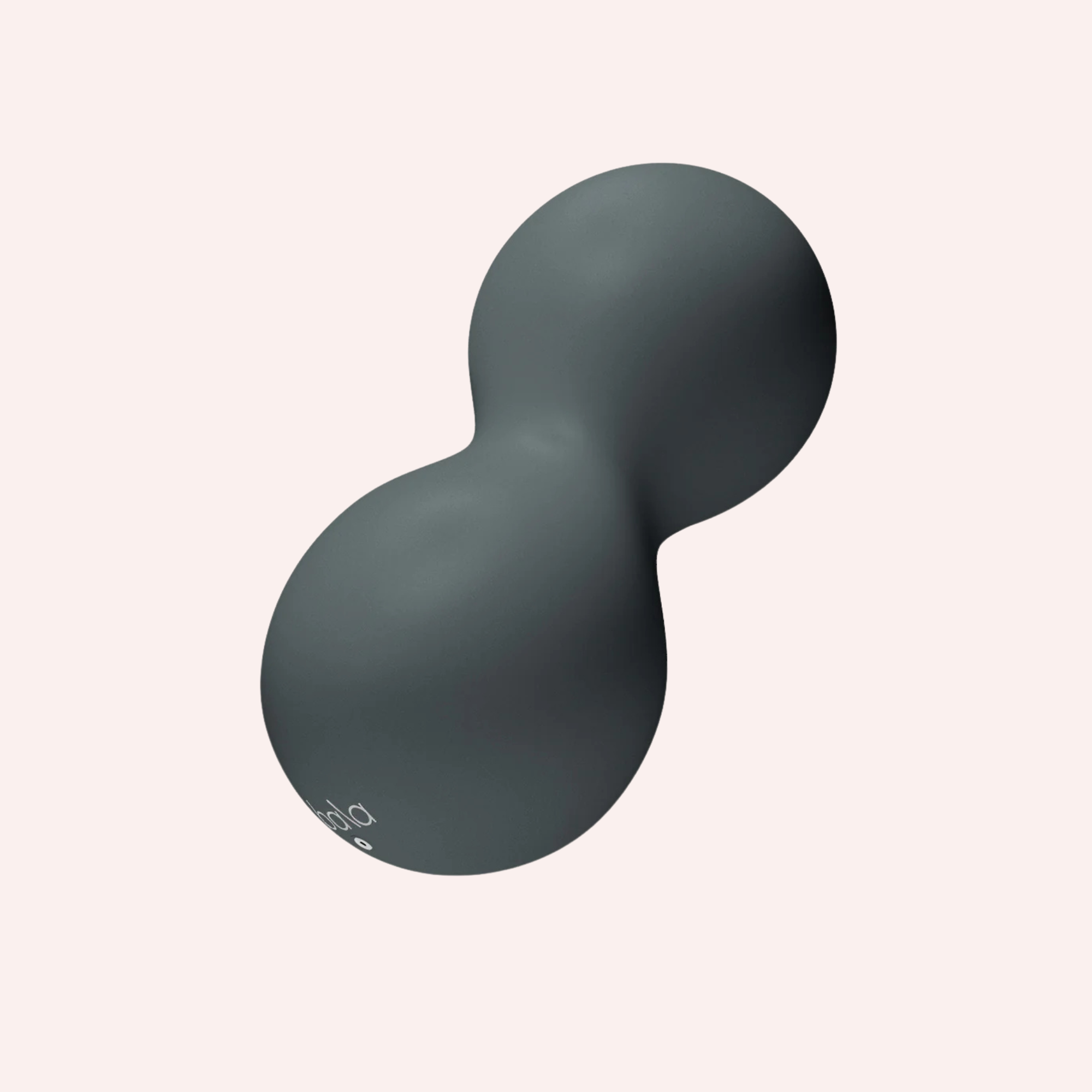
Peanut Ball
The right position can make a world of difference. Staying off your back can increase pelvis size by up to 20 percent. “Being on your hands and knees, kneeling, squatting or even standing - any way that works with gravity can help open you up,” says McKay. “If you have had an epidural, you will likely be unable to get into different positions; therefore, the peanut ball is a great tool for getting off your back and opening up the pelvis while staying lying down.” To do this, lie on your side and position the peanut ball between your legs to open the pelvis.
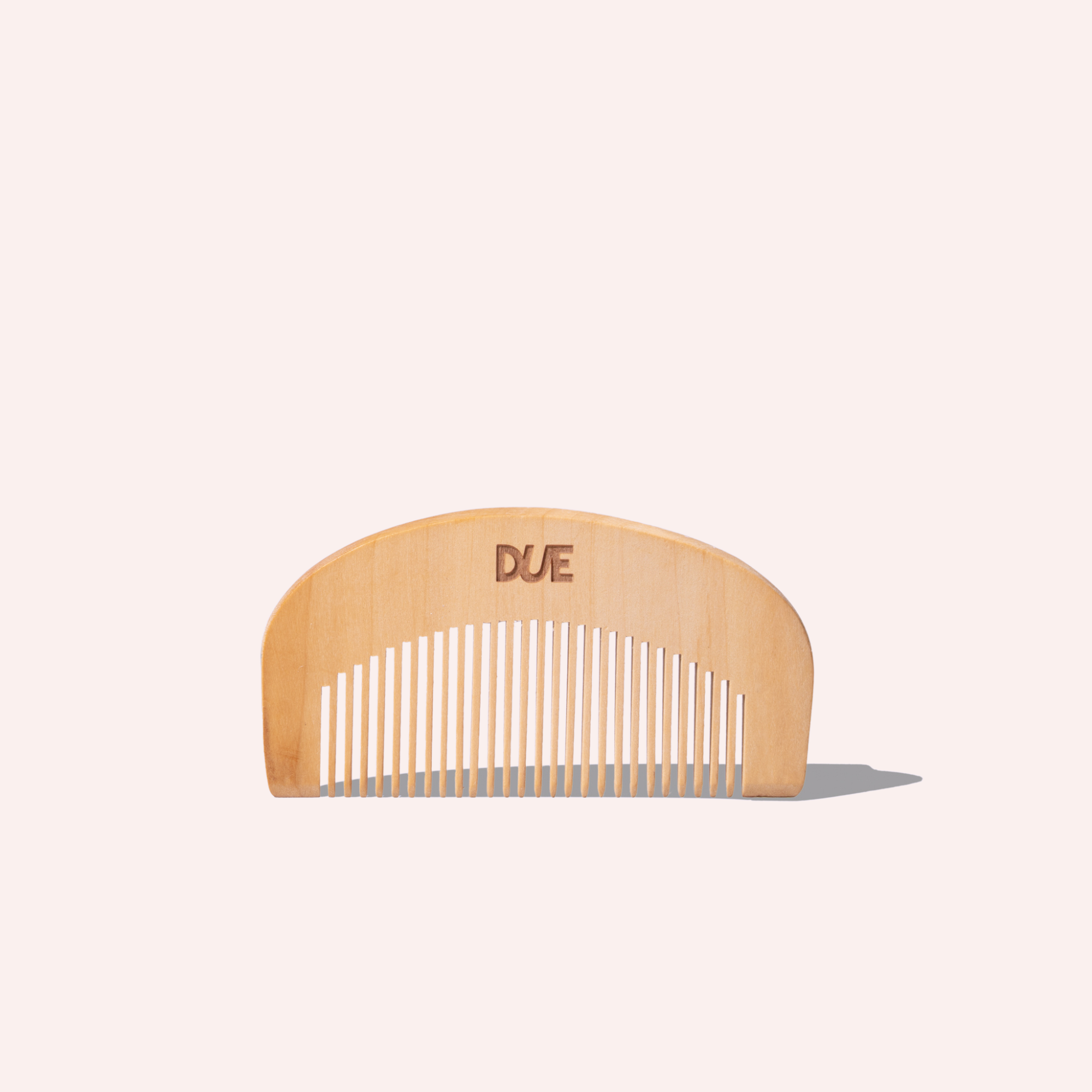
Birth Comb
“This is an inexpensive tool, with purpose beyond birth, that’s worth trying,” says McKay. The comb works in three different ways. First, the comb teeth are designed to hit acupressure points on your hand when squeezed which releases endorphins. Second, it gives you something to focus on (other than the contractions), and thirdly, it activates the Gate Control theory of pain: the pain from the comb teeth on the hand “gates” the pain of the contractions.
Related Products


Vendor:

DUE
Keep It Cool Handheld Labour Fan
A handheld fan to aid discomfort in labour, breastfeeding and beyond.
Regular price
$29.95
Sale price
$29.95
Regular price
$0.00
Unit price
per


Vendor:
DUE
In Your Hands Birth Comb
The labour aid that helps you put mind over matter.
Regular price
$16.95
Sale price
$16.95
Regular price
$0.00
Unit price
per


Vendor:
DUE
Thirsty Mum Drink Bottle
Hydration hero for labour, breastfeeding and every busy day after.
Regular price
$29.95
Sale price
$29.95
Regular price
$0.00
Unit price
per


Vendor:
Pure Mama
Perineal Massage Oil
A natural oil to support perineal massage from 34 weeks and help prep for birth.
Regular price
$35.00
Sale price
$35.00
Regular price
$0.00
Unit price
per


Vendor:
Love Tea
Raspberry Leaf Loose Leaf Box 50g
Regular price
$16.00
Sale price
$16.00
Regular price
$0.00
Unit price
per


Vendor:
Mere Botanicals
Pregnancy Tea
Regular price
$16.95
Sale price
$16.95
Regular price
$0.00
Unit price
per


Vendor:
Naturobest
Birth Prep & Recovery
A gentle, herbal way to prepare for birth and support recovery.
Regular price
$39.99
Sale price
$39.99
Regular price
$0.00
Unit price
per


Vendor:
Bala
Bala Birthday Peanut - Charcoal
An ergonomic, hourglass-shaped birth peanut designed to ease labor positioning and support pelvic opening.
Regular price
$99.00
Sale price
$99.00
Regular price
$0.00
Unit price
per


Vendor:
DUE
Roll On Clary Sage Oil Roller
Your ease-into-labour aid.
Regular price
$16.95
Sale price
$16.95
Regular price
$0.00
Unit price
per


Vendor:
Franjos Kitchen
Raspberry Leaf Mama Tea
A caffeine-free raspberry leaf tea to support pregnancy and postpartum recovery.
Regular price
$22.50
Sale price
$22.50
Regular price
$0.00
Unit price
per


Vendor:
Mere Botanicals
Organic Raspberry Leaf Tea 60gm
Regular price
$15.95
Sale price
$15.95
Regular price
$0.00
Unit price
per


Vendor:
Mini + Me
Hydramama - Blackcurrant
A zero sugar hydration drink designed for pregnancy, postpartum and beyond.
Regular price
$39.99
Sale price
$39.99
Regular price
Unit price
per


Vendor:
Funday Sweets
Strawberry & Cream
A 50g pack of sweets, perfect to take into labour.
Regular price
$4.95
Sale price
$4.95
Regular price
$0.00
Unit price
per


Vendor:
Funday Sweets
Sour Peach Hearts
A 50g pack of sweets, perfect to take into labour.
Regular price
$4.95
Sale price
$4.95
Regular price
Unit price
per


Vendor:
Mini + Me
Hydramama - Lemonade
A zero sugar hydration drink designed for pregnancy, postpartum and beyond.
Regular price
$39.99
Sale price
$39.99
Regular price
$0.00
Unit price
per


Vendor:
Mini + Me
Hydramama - Peach Iced Tea
A zero sugar hydration drink designed for pregnancy, postpartum and beyond.
Regular price
$39.99
Sale price
$39.99
Regular price
$0.00
Unit price
per


Vendor:
Franjos Kitchen
Hydration Powder - Mixed Berry
A hydration powder supercharged with electrolytes to support all stages of motherhood from pregnancy through to breastfeeding and beyond.
Regular price
$57.95
Sale price
$57.95
Regular price
$0.00
Unit price
per


Vendor:
Mini + Me
Hydramama - Tropical
A zero sugar hydration drink designed for pregnancy, postpartum and beyond.
Regular price
$39.99
Sale price
$39.99
Regular price
$0.00
Unit price
per


Vendor:
Mini + Me
Hydramama - Watermelon + Lime
A zero sugar hydration drink designed for pregnancy, postpartum and beyond.
Regular price
$39.99
Sale price
$39.99
Regular price
Unit price
per


Vendor:
Funday Sweets
Sour Cola Bottles
A 50g pack of sweets, perfect to take into labour.
Regular price
$4.95
Sale price
$4.95
Regular price
$0.00
Unit price
per


Vendor:
Mini + Me
Hydramama - Cola
A zero sugar hydration drink designed for pregnancy, postpartum and beyond.
Regular price
$39.99
Sale price
$39.99
Regular price
$0.00
Unit price
per


Vendor:
Funday Sweets
Fruity Gummy Snakes
A 50g pack of sweets, perfect to take into labour.
Regular price
$4.95
Sale price
$4.95
Regular price
$0.00
Unit price
per


Vendor:
Mini + Me
Hydramama - Passionfruit + Orange
A zero sugar hydration drink designed for pregnancy, postpartum and beyond.
Regular price
$39.99
Sale price
$39.99
Regular price
Unit price
per


Vendor:
Nutra Naturals
Super Greens + Reds - 150g
A nutrient-rich, multivitamin powder to support immunity, energy, and gut health.
Regular price
$44.95
Sale price
$44.95
Regular price
$0.00
Unit price
per

Vendor:
Gabrielle Nancarrow
The Birth Space
Regular price
$34.99
Sale price
$34.99
Regular price
$0.00
Unit price
per


Vendor:
Franjos Kitchen
Hydration Powder - Blood Orange & Coconut Blend
Regular price
$57.95
Sale price
$57.95
Regular price
$0.00
Unit price
per


Vendor:
Funday Sweets
Raspberry Frogs
A 50g pack of sweets, perfect to take into labour.
Regular price
$4.95
Sale price
$4.95
Regular price
Unit price
per


Vendor:
Seasons Of Mama
Pearl Reflexology Comb
A tool to use during labour to help reduce pain signals to the brain.
Regular price
$24.95
Sale price
$24.95
Regular price
$0.00
Unit price
per


Vendor:
MUMMA MILLA
Leakproof Crossover Cami - White
A cami for nursing and light leak protection.
Regular price
$84.99
Sale price
$84.99
Regular price
$0.00
Unit price
per


Vendor:
Jodi Wilson, Sophie Walker
The Complete Australian Guide to Pregnancy and Birth
The definitive guide to help you navigate pregnancy and prepare for a positive birth experience by the creator of the top-rating podcast, Australian Birth Stories.
Regular price
$34.99
Sale price
$34.99
Regular price
$0.00
Unit price
per


Vendor:
MUMMA MILLA
Leakproof Crossover Cami - Black
A cami for nursing and light leak protection.
Regular price
$84.99
Sale price
$84.99
Regular price
$0.00
Unit price
per


Vendor:
DUE
Peri Soother Perineum Ice and Heat Strip
Hot and cold therapy, for your bits.
Regular price
$24.95
Sale price
$24.95
Regular price
$0.00
Unit price
per


Vendor:
Mini + Me
Hydramama - Creaming Soda
A sweet, nostalgic hydration drink with electrolytes, vitamins and minerals, made to keep you hydrated through every chapter of motherhood.
Regular price
$39.99
Sale price
$39.99
Regular price
$0.00
Unit price
per


Vendor:
Mini + Me
Hydramama - Grape
A zero sugar hydration drink designed for pregnancy, postpartum and beyond.
Regular price
$39.99
Sale price
$39.99
Regular price
$0.00
Unit price
per


Vendor:
Mini + Me
Hydramama - Mixed Berry
A zero sugar hydration drink designed for pregnancy, postpartum and beyond.
Regular price
$39.99
Sale price
$39.99
Regular price
$0.00
Unit price
per


Vendor:
Mini + Me
Hydramama - Apple + Ginger
A zero sugar hydration drink designed for pregnancy, postpartum and beyond.
Regular price
$39.99
Sale price
$39.99
Regular price
Unit price
per


Vendor:
DUE
Mum Movement Peanut Ball
A labour aid to support you to move into different positions.
Regular price
$49.95
Sale price
$49.95
Regular price
$0.00
Unit price
per