

A "rule" we can get behind.
Being a new mum already comes with pressures (perceived or otherwise), expectations and a lot of new rules. There’s a lot of fresh info to remember and it is already overwhelming, so I will admit, I prickled when a new postpartum “rule” was brought to my attention. This is not that kind of rule. 5-5-5 is a catchy name that’s bite-sizing something we know is vital for postpartum recovery (REST) but is still hard for people to get their head around, particularly if you’re an overly eager mother-in-law.
It might sound ridiculous, but after 10 months of pregnancy - the single most exhausting endurance activity the human body can handle, something that pushes the body to the very limits of prolonged strain - and childbirth (a hugely taxing task, no matter how you do it), rest, recovery and recuperation can be a hard thing for new mothers to come by. There is a new baby with a demanding schedule of feeding, changing, sleeping to tend to, but quite often the baby is not the barrier to rest, it’s the external factors like visitors, lack of support, but chiefly lack of understanding and postpartum preparation. Without proper rest, fatigue, exhaustion and depletion can quickly follow, compounding the already draining realities of early parenthood, like sleep deprivation. Then there are the physical complications, like wounds not healing as they should, infection and other complications.
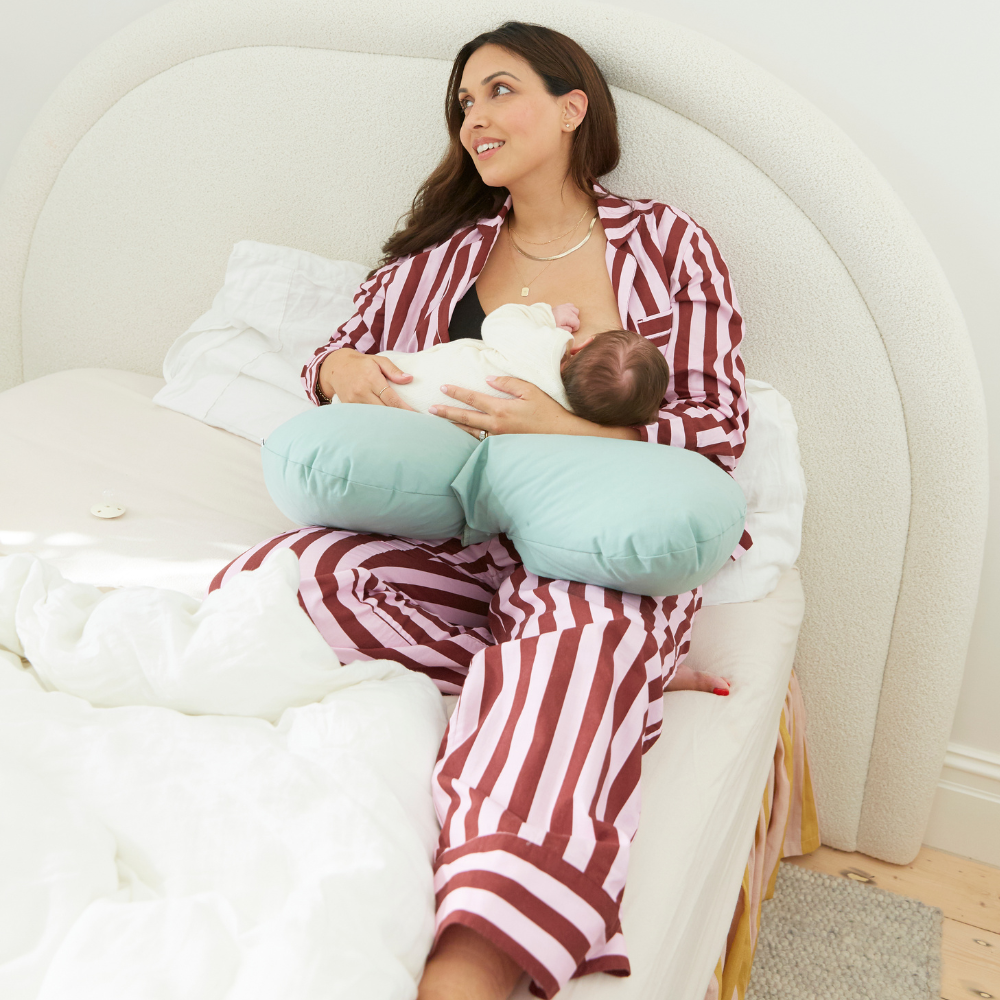
The 5-5-5 is a guide for your first 15 days after arriving home from giving birth. Five days in bed, followed by five days on your bed, and finally, five days near your bed. The idea of bedrest in early postpartum is one with ancient roots. Golden Month or The First 40 Days principals have 5000-year-old roots in Eastern cultures. They emphasise the importance of the birth mother’s wellbeing in the first 40 days for the bearing it has on the baby’s future life. There is an Indian saying, “the first 40 days of life will impact the next 40 years of life”. If you are in a position where 40 days of support that allows you to focus on rest is an option, any mother would advise you to take it, but sadly, in our modern, fast-paced lives, we are often removed from “the village”, and not set up to be supported in postpartum recovery. In these circumstances, 5-5-5 is perhaps more manageable. “I really wanted to focus on my own recovery with my second child, because I understood my time to actually rest with two-under-two was very limited,” says Jessim, who gave birth to a boy in February. “Mostly due to the fact that my husband only had two weeks paternity leave.” For new mum Katie, it was more of a mental game. “I had so many friends tell me that I had to prioritise rest after giving birth, but the idea of a month in bed wasn’t appealing to me at all,” she says. “5-5-5 I felt more comfortable with and I could actually visualise it, and maybe more importantly, so could our extended family.” Which raises a good point, telling your extended family you’ll be ‘taking it easy’ or even ‘resting’ with the baby is vague, telling them you’ll be in bed (also with the baby) is a lot more explicit and it’s on them as to whether they’ll be comfortable visiting in that scenario. Ofcourse, it’s entirely up to you if you want them to visit or not, but this fact can help them understand if they are not. Postpartum Doula Naomi Chrisolakis takes it a step further asking, “are you comfortable with them seeing you topless?” and “are they comfortable seeing you topless?”
5 Days In Bed
As the title suggests, the first five days are for you to rest in bed. Staying warm, healing, having skin to skin time with your baby, learning to feed, having your older children meet their new sibling, eating easy, nourishing food and getting as much sleep as you can.
5 Days On the Bed
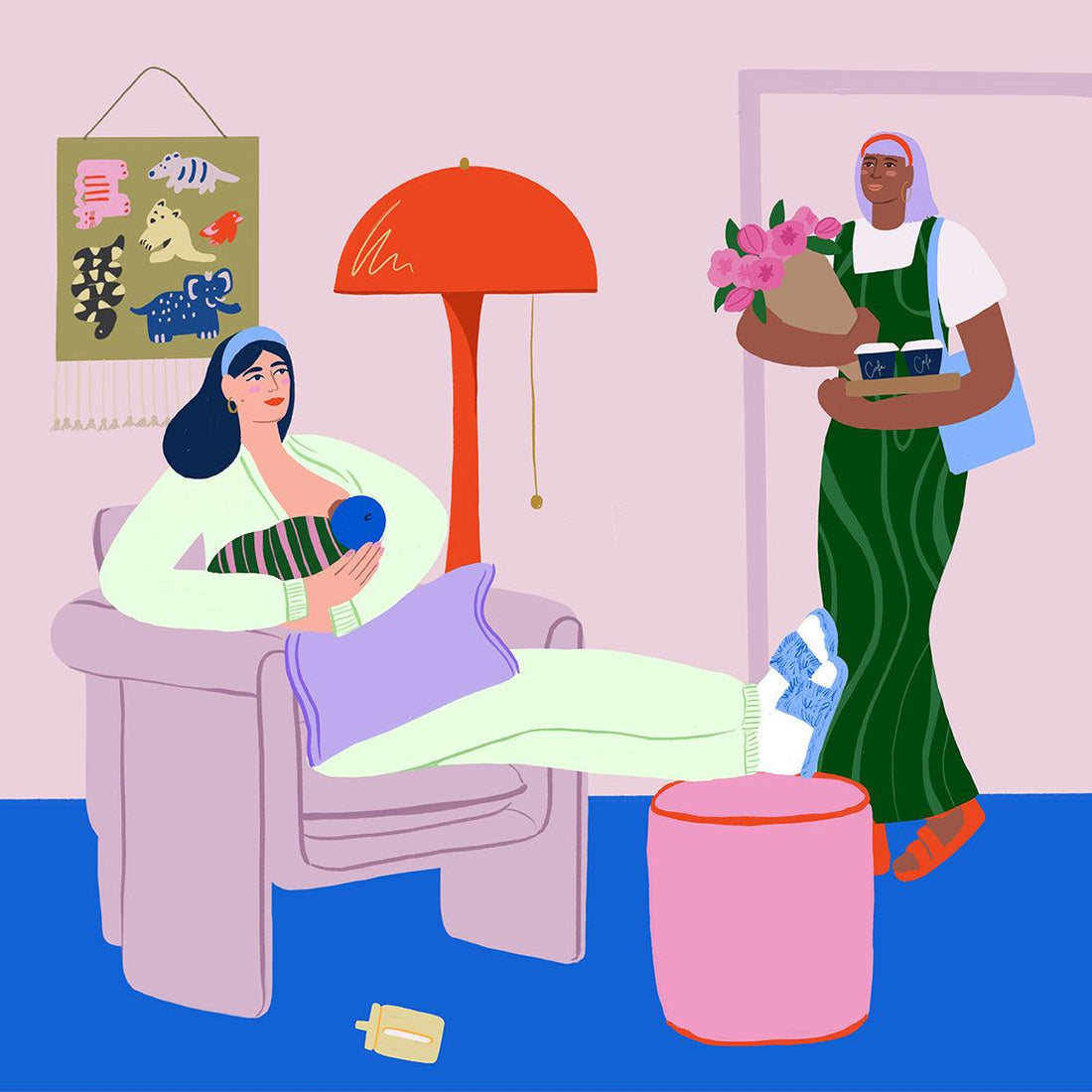
Still lots of sleep and rest, but with a little more freedom, we’re on a made bed now. In this second stage, you may be feeling ready to get dressed (in a tracksuit, not a ball gown), watch a movie or read between (or during) feeds and cuddles with your baby. “This was when I felt a little more ‘awake’ but still very tender,” says Jessim. “I had finished the stronger pain meds I was given by the hospital, my appetite really returned and I wanted to spend lots of time looking at my baby."
5 Days Near Bed
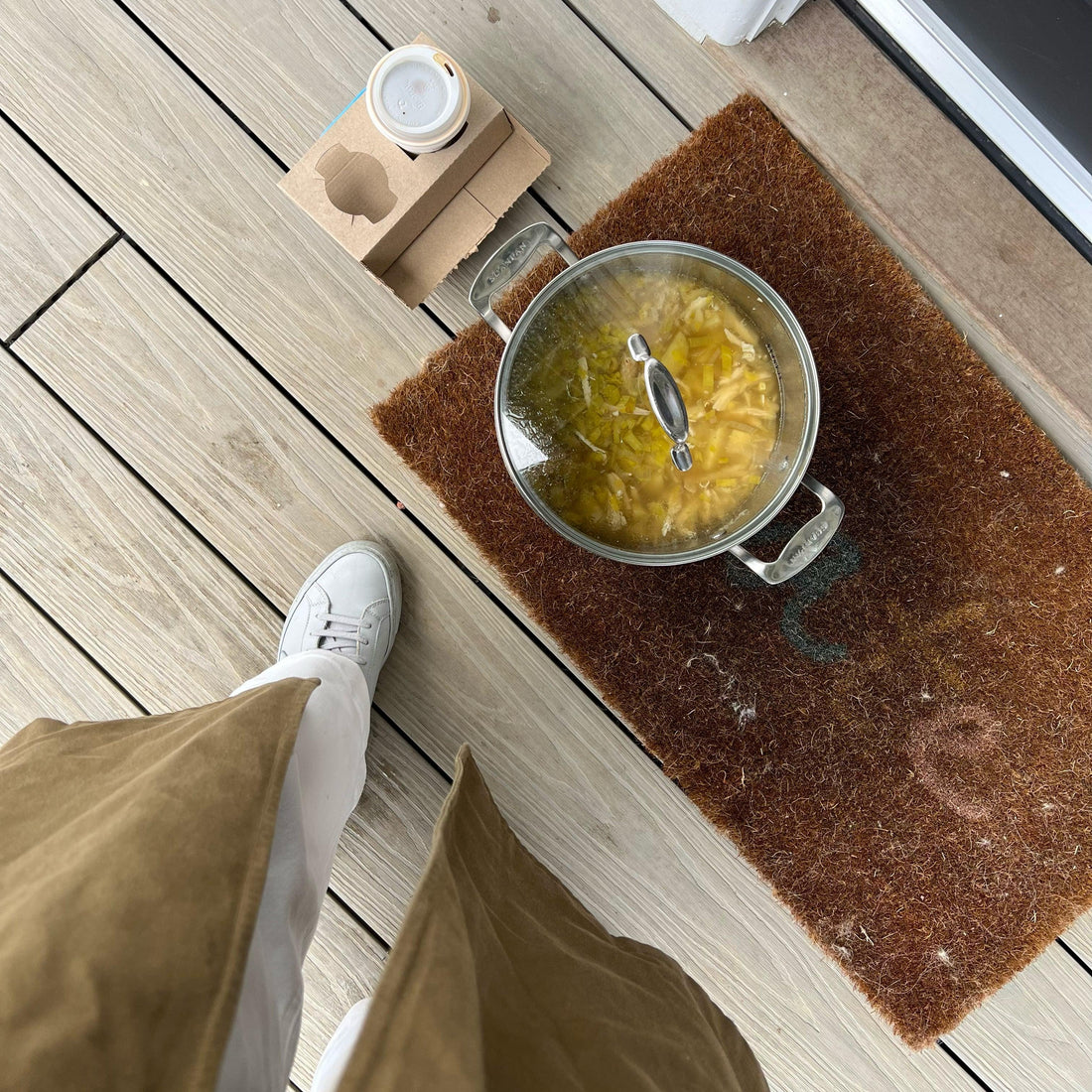
You’re venturing to other parts of the house, but your bed remains your main location. Nap when you feel you could sleep, and in general, listen to what your body needs. Limit standing to a maximum of 30 minutes at a time, and if you are starting to feel guilty for not doing more, or stir crazy, remember that you have a wound in your uterus the size of a dinner plate. You still have the Relaxin hormone in your body keeping your ligaments and tissue lax and unstable. You no longer have the stability in your abdomen that your baby provided and your body is adjusting to a whole new weight distribution. Rest and nutrition now is the best start you can give to your motherhood journey. Also, your only responsibility right now is you and your baby. "I knew I would feel anxious about the house not being as put together as I'd like, and it was a good instinct because I was particularly sensitive to mess in that time," says Katie. "I had asked my mum, dad, sister and mother-in-law to help keep the house in order, which they took shifts to do, and my friends had organised a meal train, so dinners were taken care of and when other friends visited, I took them up on their offers of help, and gave them a job when they asked, 'what can I do?'."